
Pelham Children’s Dentist
 Oral health is important at every stage in life. Just because your children are going to lose their primary (baby) teeth eventually doesn’t mean that we can ignore the importance of dental care. Tooth decay can be painful and uncomfortable to treat. To protect your child’s smile, it is vital to understand optimal preventive care.
- Explain the important of routine dental care to your children and turn brushing and flossing into something fun that they look forward to each day.
- Schedule routine appointments to our office for cleanings and dental exams. Your child should start seeing a dentist as soon as their first tooth emerges. Make sure to continue visiting us twice a year for optimal oral health.
- Include crisp and fibrous foods into your child’s diet. Fruits and vegetables high in water content help keep your child’s mouth hydrated. Foods such as apples increase saliva which inhibit bacteria from sticking to their teeth.
- Avoid food and drinks that are high in sugar. Soda, juice and candy are all treats that most children love to eat. However, these can be detrimental to your child’s teeth and overall health.
- Drinking plenty of water throughout the day is one of the easiest and most effective ways to prevent tooth decay. Water flushes bacteria and acid away from teeth. Encourage your children to drink water especially after eating.
- Ask us about dental sealants for your children. Sealants can add a layer of protection to your child’s teeth where bacteria build up to prevent damage.
Tooth decay starts out as a small problem, but left untreated can lead to serious oral health issues. By adding a few minor habits into your daily routine, your child’s oral health can change for the better. Simple changes in diet and routine can keep cavities at bay.
Call us today to schedule an appointment for your child.
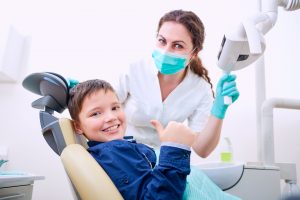 You never want to hear that your child has decay in one of their permanent teeth. If our team advises you that your child needs a dental filling, please remember that you and your child are in good hands. Here are a few tips to help guide you through this process:
 These are some of the most common questions we hear from parents, and the answers we provide:
 It can be difficult to get your child to practice proper oral care unsupervised. However, the long-term benefits of an early start to optimal oral hygiene are worth the effort. Below are some tips to help you make oral health a fun part of your child’s daily routine.
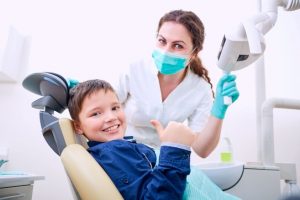 It’s always important to have fun with our children. New experiences, new people and new surroundings can seem overwhelming to little ones. Read on for ways to make a trip to the dentist fun for your child and for you!
 Children losing their first tooth is an exciting stage in life. They often run to you as soon as their tooth falls out asking if the Tooth Fairy will visit them at night. Most children know about the Tooth Fairy, but many people don’t know where or when this tradition started. The concept surrounding lost baby teeth has been around for centuries. Below we have shared common historical traditions that have helped evolve the Tooth Fairy into the tradition that it is today.
 Braces create a beautiful, straight smile, but how do you maintain these results after treatment? Your final orthodontic results depend on your retainer. Retainers help maintain the position of straighten teeth, so be sure to follow up with us for additional treatment after your braces have been removed. Read the information below to learn more about retainers and how to care for them at home.
 Your baby’s first teeth developing can be a difficult experience for both you and your child. Most teeth begin to appear as early as 3 moths to 1 year old. This process can be uncomfortable and cause sleepless nights. However, there are things you can do to keep your toddler less irritable while they are teething.
 As a parent, it’s important to model good behaviors to your children. From being courteous to cleaning up after themselves, your child learns how to be responsible from you. It can be difficult to get your child to practice good oral care unsupervised, however the long-term benefits of an early start to good oral hygiene are worth the effort. Below are some tips to help you make practicing good oral health a fun part of your child’s daily routine, rather than something you have to fight over every day. Contact our dental team today to learn more or to schedule your child’s next dental examination and cleaning.