
Kids Dentist Pelham, AL
 Did you know that tooth decay is the single largest cause of school absences? The longer decay goes untreated, the worse it gets. Not only can this mean costlier expenses for you, but it also jeopardizes your child’s oral health and education. You can help your child have a healthy, happy smile by taking a few steps to defend against tooth decay. Here are three steps you can take at home.
- Reduce Excessive Sugar
Sugary foods feed the bacteria that cause tooth decay. Limit your child’s sugary intake by keeping candy, soft drinks, juices, and other sweets to a minimum. If your child does indulge in a sugary snack or treat, make sure they brush their teeth afterwards.
- Follow a Consistent Brushing Routine
One of the best steps you can take for your child is to help them establish a daily brushing routine. They should brush for at least two minutes both morning and night. Try brushing at the same times each day so that it becomes a habit. We also strongly recommend that parents monitor their children to make sure they are brushing correctly and safely. It’s important that children avoid swallowing toothpaste or mouthwash.
- Strengthen Teeth with Dairy Products
Dairy products are excellent sources of calcium, particularly cheese, yogurt, and milk. Calcium helps to build strong bones and teeth. Increasing the amount of calcium in your child’s diet can help strengthen tooth enamel, one of the natural defenses against decay. If your child is lactose intolerant or cannot consume other dairy products, we suggest you talk to our team for additional solutions.
Healthy teeth start at home. Implement the three simple steps above with your child at home to ensure they have a happy, healthy smile. The single most important step you can take for your child is to bring them in to see our team. Regular oral health examinations for your child are essential to ensure that their teeth are healthy and growing properly.
Contact our team to schedule your child’s next examination today.
 Tooth decay in infants and toddlers is often referred to as “baby bottle” tooth decay. This type of tooth decay is often caused by bacteria shared by the primary caregiver or by a lack of proper oral hygiene. However, the most common cause is frequent and prolonged exposure to drinks containing sugar, especially in the baby’s bottle.
 Oral health is important at every stage in life. Just because your children are going to lose their primary (baby) teeth eventually doesn’t mean that we can ignore the importance of dental care. Tooth decay can be painful and uncomfortable to treat. To protect your child’s smile, it is vital to understand optimal preventive care.
 The negative effects of poor oral hygiene are well documented, and can impact much more than your mouth. A lot of serious medical conditions can be caused or worsened by complications arising for poor oral health. Starting your child’s oral care off right serves the twofold benefit of modeling the importance of good oral hygiene to them and giving their mouth a solid foundation of oral health. If you want to ensure your child’s oral health is taken care of, contact our pediatric dental team today to schedule your child’s next examination and cleaning!
 Do your children constantly ask for sugary snacks that you know are not good for their health? There are healthy alternatives to the junk food your child loves that taste just as great. Here are a few options to get you started.
 According to data provided by the Centers for Disease Control and Prevention (CDC), about 20% of children take prescription medication regularly. There has been a steady, noticeable increase in the number of children using medication prescribed by their doctor. Several types of medication can impact your child’s oral health. When you visit our office for your child’s regular examination, please tell our team about any medications your child uses so we can better adapt our treatment approach.
 Multivitamins are an excellent way to help children and adults receive nutrients that their diet lacks. For parents of picky eaters, this can be especially helpful. However, not all vitamins are created equally. Chewable, gummy vitamins are often marketed to children but carry risks to your child’s oral health. Here are three ways gummy vitamins affect your child’s oral health.
 Little teeth will grow into a big smile. To ensure your child is on track for a lifetime of optimal oral health, it is important to instill good oral hygiene habits early in life. We understand that this can sometimes be a challenge. It’s hard to keep the interest of young children, which can make brushing twice a day for two minutes each time difficult to do. We’ve gathered a few pointers to help you and your child make brushing time a fun experience.
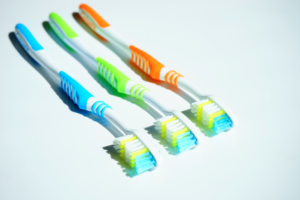 Do you ever think about your toothbrush? You use it twice a day, but how much do you know about it? We’ve compiled a list of interesting toothbrush facts. The next time you brush, consider these bits of trivia.