
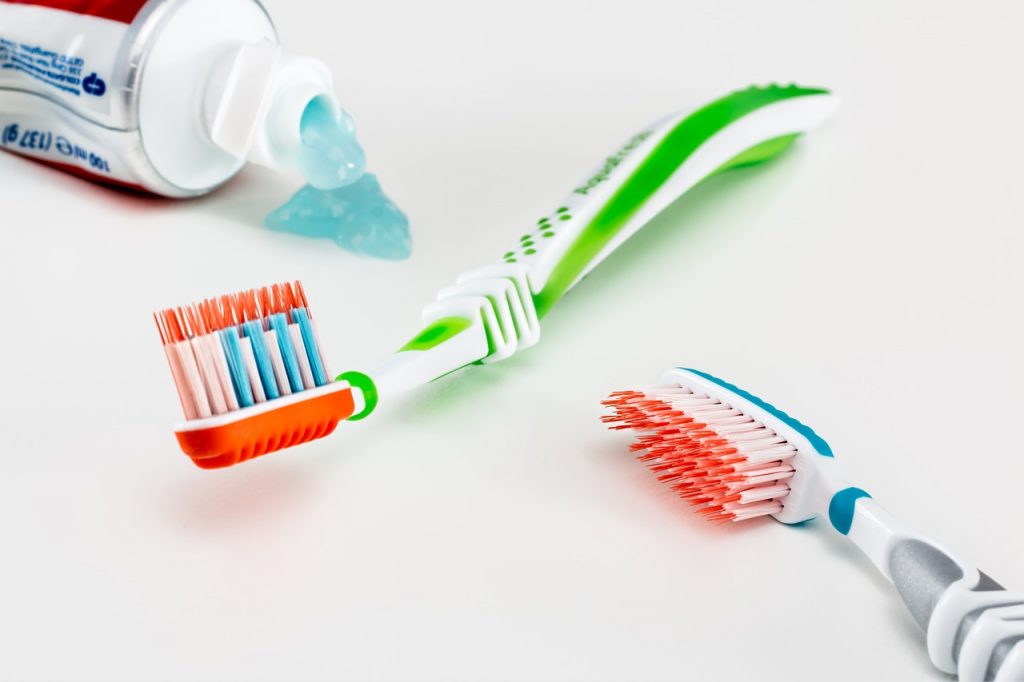
Nothing fills your heart more than seeing your child smile. But what toothbrush is best for your 3 month old? What about when they turn 3 years old? With so many different choices it can be overwhelming to decide which toothbrush is best for your child at different stages of their life. That’s why we put together a brief description with your child’s changing oral health needs and what type of toothbrush will suit them.
General Guideline
Regardless of your child’s age, the toothbrush that they use should easily fit into their mouth and be easy to grip. Toothbrushes with soft bristles won’t irritate their gums and long handles will help them to move the brush in their mouth.
Babies
Many parents choose to use a damp cloth but you can begin to clean your child’s teeth with a toothbrush before their teeth come in! Using a toothbrush designed for babies allows you to clean their teeth while getting them used to brushing. These toothbrushes have a very small head, which allow you to comfortably brush baby’s gums.
Toddlers
Around the age of two, your toddler will begin to take an interest in brushing their teeth. This is an important age to teach how to brush teeth and to get your child into the routine of brushing twice a day. Toddler toothbrushes have a small head and a long handle, allowing easy gripping for the child. There are also powered toothbrushes that children can use at this age, which can make brushing a bit more fun!
Ages Five to Eight
At this age, your child is becoming more independent when it comes to dental health but will still need supervision while brushing. Many of the toothbrushes have fun characters on them and have a slimmer handle than a toddler brush. Choosing a favorite cartoon character may help your child maintain their interest in brushing
Eight and Up
No longer needing supervision while brushing, children eight and up have very similar toothbrushes to adults. The only difference in the toothbrush is a slightly smaller head and longer handle. Although manual toothbrushes clean just as effectively, powered toothbrushes can help those who may have issues using a manual toothbrush efficiently.
Toothbrushes alone won’t guarantee your child’s oral health! Make sure to instill a regular brushing and flossing routine to keep your child smiling. Contact our office for any other questions regarding your child’s dental health.
 Sugary, sticky, and sweet candies can damage your teeth by increasing your risk of decay. Though gum can be considered a type of candy, chewing sugarless gum approved by the ADA can actually help protect teeth and prevent tooth decay. Here’s what you need to know about gum and your teeth.

 It has long been known that dairy products contain high amounts of calcium, which is important for developing and maintaining strong teeth and bones. However, not all dairy works in the same ways. Did you know that a recent study has found that cheese can actually help protect teeth against cavities?
 When buying a toothbrush, toothpaste, or coming in to our office, you often hear the word “plaque” associated with the health of your teeth. Plaque is one of the main reasons why it is so important to keep up with a daily oral hygiene routine that includes brushing two times each day for at least two minutes, and flossing regularly as well. Here’s what you need to know about plaque and what it can do to your smile.
 The negative effects of poor oral hygiene are well documented, and can impact much more than your mouth. A lot of serious medical conditions can be caused or worsened by complications arising for poor oral health. Starting your child’s oral care off right serves the twofold benefit of modeling the importance of good oral hygiene to them and giving their mouth a solid foundation of oral health. If you want to ensure your child’s oral health is taken care of,
  Keeping up optimal oral health takes more than brushing and flossing. Maintaining oral hygiene demands a bit of work, but it is worth it in the long run. Here are four ways you can improve your dental health right now.
 Calcium is an important mineral for building strong, healthy teeth, but not everyone can tolerate the lactose found in dairy. Lactose is a sugar found in milk and other dairy products. About 65% of people have reduced ability to process lactose past infancy.
 One of the best ways to calm fussy babies is by giving them a pacifier. However, as babies grow this can be a difficult habit to break. The use of pacifiers can cause improper mouth development which leads to abnormal tooth growth and additional complications later in life. Here’s what you need to know about the impact pacifiers have on your baby’s smile.