
Pediatric Dentist Near Me
 Your baby’s first teeth developing can be a difficult experience for both you and your child. Most teeth begin to appear as early as 3 moths to 1 year old. This process can be uncomfortable and cause sleepless nights. However, there are things you can do to keep your toddler less irritable while they are teething.
What to Expect
Sometimes it can be difficult to tell when your baby starts teething. Below are a few symptoms to look for:
- Fussiness
- Trouble Sleeping
- Irritability
- Loss of appetite
- Drooling more than usual
It has been thought that teething may cause fever and diarrhea, but research shows that this is not true. If your baby is experiencing any of these symptoms or they worsen, call us for an appointment.
What You Can Do
View the many different ways to safely soothe your teething baby below:
- Rub your baby’s gums. Use a clean finger or moistened gauze pad to rub your baby’s gums. The pressure can decrease any discomfort your baby might be feeling.
- Keep their mouth cool. A cold washcloth, spoon, or teething ring can sooth your baby’s gums. However, make sure the object is not frozen because extreme cold can be harmful. Also monitor your baby so they do not swallow any small objects.
- Introduce hard food. If your baby is already eating solid food, you might want to give them a chilled carrot or apple slice. This can ease their pain and make them less irritable.
Tip: Contact us before using any teething medications or numbing gels that may pose a risk to your baby.
Teething is a difficult process for not only your baby, but also you. You can relax knowing your baby is more comfortable by using the tips above.
Also, don’t forget to schedule your baby’s first dental appointment as soon as their first tooth has fully emerged. Call us for an appointment today.
 As a parent, it’s important to model good behaviors to your children. From being courteous to cleaning up after themselves, your child learns how to be responsible from you. It can be difficult to get your child to practice good oral care unsupervised, however the long-term benefits of an early start to good oral hygiene are worth the effort. Below are some tips to help you make practicing good oral health a fun part of your child’s daily routine, rather than something you have to fight over every day. Contact our dental team today to learn more or to schedule your child’s next dental examination and cleaning.
 Did you know that tooth decay is the single largest cause of school absences? The longer decay goes untreated, the worse it gets. Not only can this mean costlier expenses for you, but it also jeopardizes your child’s oral health and education. You can help your child have a healthy, happy smile by taking a few steps to defend against tooth decay. Here are three steps you can take at home.
 Tooth decay in infants and toddlers is often referred to as “baby bottle” tooth decay. This type of tooth decay is often caused by bacteria shared by the primary caregiver or by a lack of proper oral hygiene. However, the most common cause is frequent and prolonged exposure to drinks containing sugar, especially in the baby’s bottle.
 Oral health is important at every stage in life. Just because your children are going to lose their primary (baby) teeth eventually doesn’t mean that we can ignore the importance of dental care. Tooth decay can be painful and uncomfortable to treat. To protect your child’s smile, it is vital to understand optimal preventive care.
 The negative effects of poor oral hygiene are well documented, and can impact much more than your mouth. A lot of serious medical conditions can be caused or worsened by complications arising for poor oral health. Starting your child’s oral care off right serves the twofold benefit of modeling the importance of good oral hygiene to them and giving their mouth a solid foundation of oral health. If you want to ensure your child’s oral health is taken care of, contact our pediatric dental team today to schedule your child’s next examination and cleaning!
 According to data provided by the Centers for Disease Control and Prevention (CDC), about 20% of children take prescription medication regularly. There has been a steady, noticeable increase in the number of children using medication prescribed by their doctor. Several types of medication can impact your child’s oral health. When you visit our office for your child’s regular examination, please tell our team about any medications your child uses so we can better adapt our treatment approach.
 Multivitamins are an excellent way to help children and adults receive nutrients that their diet lacks. For parents of picky eaters, this can be especially helpful. However, not all vitamins are created equally. Chewable, gummy vitamins are often marketed to children but carry risks to your child’s oral health. Here are three ways gummy vitamins affect your child’s oral health.
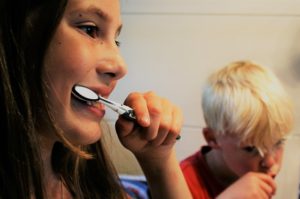 Little teeth will grow into a big smile. To ensure your child is on track for a lifetime of optimal oral health, it is important to instill good oral hygiene habits early in life. We understand that this can sometimes be a challenge. It’s hard to keep the interest of young children, which can make brushing twice a day for two minutes each time difficult to do. We’ve gathered a few pointers to help you and your child make brushing time a fun experience.