
Pediatric Dentist Near Me

Radiographs, or x-rays, provide important diagnostic information for your dentist, allowing for proper and accurate treatment. The technology behind radiographs has improved rapidly over the last few decades, becoming safer, more accurate, and easier to use. Read our guide on what makes dental radiographs an important step to protecting your oral health.
What exactly are dental radiographs?
Radiographs are a form of electromagnetic radiation similar to visible light or radio waves that can be used to map out the inside of your body. Soft tissue such as skin or muscle allow most rays to pass through, creating a darker image, while denser materials like your teeth and bone tissue cause a brighter image. These radiographs can be used to help diagnose and examine anything from tooth decay to broken bones.
Are they safe?
Radiographs are completely safe, exposing you to even less radiation than the average exposure you receive from your typical environment. In addition, digital x-rays require even less radiation than traditional film x-ray technology.
Why do I need them?
Using radiographs allows us to observe your oral health in ways that we cannot examine with the naked eye. Our team can check for tooth decay, bone damage, or endodontic issues in your mouth. We can observe the position of your teeth to determine if any are impacted or experiencing crowding. Deeper concerns that are difficult to otherwise notice such as cysts, tumors, or abscesses show up easily on radiographs. By seeing the internal state of your mouth, we can plan treatment that will ensure your oral health is optimal.
Radiographs are important tools to give us insight into your oral health, screen for oral cancer, and help us to recommend treatment plans. They allow us to serve you with accuracy and confidence in our work. To schedule your next dental visit with our team, contact our office today.
6496 Quail Run Drive
Pelham, AL 35124
Phone: (205) 739-7773



 It has long been known that dairy products contain high amounts of calcium, which is important for developing and maintaining strong teeth and bones. However, not all dairy works in the same ways. Did you know that a recent study has found that cheese can actually help protect teeth against cavities?
 Pediatric Dentist Near Me
 It is a common belief that teething causes secondary symptoms such as a runny nose, irritability, high fever, or problems with sleeping. However, studies have shown that these types of concerns are caused by health issues unrelated to teething. Here are some of the things to expect during teething, and some that are often attributed to teething, but are better discussed with your child’s doctor.
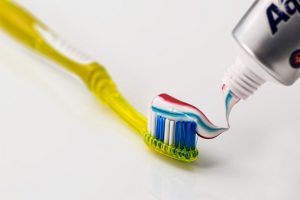 When buying a toothbrush, toothpaste, or coming in to our office, you often hear the word “plaque” associated with the health of your teeth. Plaque is one of the main reasons why it is so important to keep up with a daily oral hygiene routine that includes brushing two times each day for at least two minutes, and flossing regularly as well. Here’s what you need to know about plaque and what it can do to your smile.
 Keeping up optimal oral health takes more than brushing and flossing. Maintaining oral hygiene demands a bit of work, but it is worth it in the long run. Here are four ways you can improve your dental health right now.
 Calcium is an important mineral for building strong, healthy teeth, but not everyone can tolerate the lactose found in dairy. Lactose is a sugar found in milk and other dairy products. About 65% of people have reduced ability to process lactose past infancy.