
Kids Dentist Near Me
 The negative effects of poor oral hygiene are well documented, and can impact much more than your mouth. A lot of serious medical conditions can be caused or worsened by complications arising for poor oral health. Starting your child’s oral care off right serves the twofold benefit of modeling the importance of good oral hygiene to them and giving their mouth a solid foundation of oral health. If you want to ensure your child’s oral health is taken care of, contact our pediatric dental team today to schedule your child’s next examination and cleaning!
The Dangers of Poor Oral Health
Poor oral health can result in much more than cavities and toothaches. Studies have linked a long list of serious and life-threatening conditions to poor oral hygiene, including heart disease, dementia, stroke, respiratory issues, an increased risk of miscarriage, and more. Most of these conditions are worsened by the bacteria that can enter your blood stream due to gum disease or tooth decay. These issues take time to develop and time to treat. However, the sooner you start practicing good oral health, the better defense your mouth with have against disease, protecting your whole body.
Care for All Ages
Everyone experience different oral care needs throughout their childhood. From the teething stage as baby teeth start to appear to loss of teeth as adult ones begin to take their place, there are a lot of different stages a child’s mouth will go through before it’s fully developed. It’s important to recognize that each of these stages requires their own unique oral care. Waiting to teach your child good oral hygiene could be disastrous for their health.
Invest in your child’s future health by starting off their oral care routine off well. Contact our pediatric dental team today to learn more about the potentially life-saving benefits of early childhood dental care or to schedule your child’s next examination and cleaning.
 Do you have white spots on your teeth? Are your teeth quite sensitive? Do your teeth have cracks, chips, or indentations? If yes, then you may be experiencing enamel erosion.
 According to data provided by the Centers for Disease Control and Prevention (CDC), about 20% of children take prescription medication regularly. There has been a steady, noticeable increase in the number of children using medication prescribed by their doctor. Several types of medication can impact your child’s oral health. When you visit our office for your child’s regular examination, please tell our team about any medications your child uses so we can better adapt our treatment approach.
 Multivitamins are an excellent way to help children and adults receive nutrients that their diet lacks. For parents of picky eaters, this can be especially helpful. However, not all vitamins are created equally. Chewable, gummy vitamins are often marketed to children but carry risks to your child’s oral health. Here are three ways gummy vitamins affect your child’s oral health.
 Little teeth will grow into a big smile. To ensure your child is on track for a lifetime of optimal oral health, it is important to instill good oral hygiene habits early in life. We understand that this can sometimes be a challenge. It’s hard to keep the interest of young children, which can make brushing twice a day for two minutes each time difficult to do. We’ve gathered a few pointers to help you and your child make brushing time a fun experience.
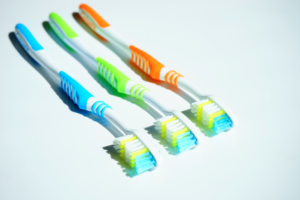 Do you ever think about your toothbrush? You use it twice a day, but how much do you know about it? We’ve compiled a list of interesting toothbrush facts. The next time you brush, consider these bits of trivia.
 When it comes to your child’s health and well-being, you want to be sure they are receiving the best possible care. Studies have shown that oral health is linked to overall health. It is important to have an experienced team that can work with your child to ensure a lifetime of optimal oral health. There are numerous advantages to choosing a pediatric dentist for your child including specialized training, a compassionate standard of care, and a welcoming environment.
 Proper dental hygiene is key to decreasing risk of periodontal (gum) disease in children. Hormonal changes in the body as your child grows increase blood circulation to the gums and may increase your child’s gum sensitivity. This can lead to a greater reaction to irritation, causing gums to become swollen and tender.
 Are you a diligent brusher who grabs the toothbrush as soon as you finish each snack or meal? While there are significant benefits to regular brushing, hurrying your hygiene might be doing more harm than good. The key lies in understanding the effects different types of food and drinks have on your teeth.