
Pediatric Dentist Near Me

If carbonated soft drinks are part of your normal daily routine, you may be causing serious damage to your teeth. Recent studies have found soft drinks to be among the most potent dietary causes of tooth decay. Soft drinks have also been implicated in increases of obesity, type 2 diabetes, and other serious health conditions. Before you shop for beverages this week, consider a few things you should know about soft drinks.
Most soft drinks contain substantial amounts of sugars, which interact with the bacteria in your mouth. This interaction produces a form of acid that can damage your teeth for about 20 minutes. Each time you take a drink, you reset that time window. If you consume throughout the day, you are essentially bathing your teeth in that beverage for hours.
Most soft drinks contain acids, as well. Even sugar-free varieties contain acids that can weaken the enamel on your teeth. Colas and citrus-flavored soft drinks tend to have the highest levels of acid. Over time, this weakening of tooth enamel has a cumulative effect. This can lead to decay and even tooth loss if not addressed in early stages.
Obviously, the best solution is to stop consuming carbonated soft drinks. However, it can be a difficult habit to break. Here are some tips to help reduce your risks of tooth damage from these beverages:
- Drink in moderation. Too much sugar and acid will eventually cause damage.
- Try sparkling water. This provides the fizzy sensation without all the sugar and acid.
- Drink more water. You will crave soft drinks less when you are fully hydrated.
- Don’t sip. The longer you spend drinking, the more time sugars and acids are reacting with your teeth.
- Use a straw. This can help keep the sugars and acids away from your teeth.
- Rinse with water after drinking to dilute acids and sugars.
- Don’t brush immediately. Wait at least 30 minutes for acids to be neutralized by saliva before brushing.
- Practice good dental hygiene, including brushing, flossing, and regular professional cleanings and exams.
Carbonated soft drinks can be harmful to your oral and overall health. Be mindful of how often you consume them and consider reducing or stopping your use of these dangerous beverages.
For more oral health tips or to schedule an appointment, contact our office.
6496 Quail Run Drive
Pelham, AL 35124
Phone: (205) 739-7773
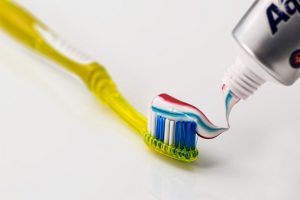 When buying a toothbrush, toothpaste, or coming in to our office, you often hear the word “plaque” associated with the health of your teeth. Plaque is one of the main reasons why it is so important to keep up with a daily oral hygiene routine that includes brushing two times each day for at least two minutes, and flossing regularly as well. Here’s what you need to know about plaque and what it can do to your smile.
 The negative effects of poor oral hygiene are well documented, and can impact much more than your mouth. A lot of serious medical conditions can be caused or worsened by complications arising for poor oral health. Starting your child’s oral care off right serves the twofold benefit of modeling the importance of good oral hygiene to them and giving their mouth a solid foundation of oral health. If you want to ensure your child’s oral health is taken care of,
  Keeping up optimal oral health takes more than brushing and flossing. Maintaining oral hygiene demands a bit of work, but it is worth it in the long run. Here are four ways you can improve your dental health right now.
 Calcium is an important mineral for building strong, healthy teeth, but not everyone can tolerate the lactose found in dairy. Lactose is a sugar found in milk and other dairy products. About 65% of people have reduced ability to process lactose past infancy.
 One of the best ways to calm fussy babies is by giving them a pacifier. However, as babies grow this can be a difficult habit to break. The use of pacifiers can cause improper mouth development which leads to abnormal tooth growth and additional complications later in life. Here’s what you need to know about the impact pacifiers have on your baby’s smile.
 Oral health is important at every stage in life. Just because your children are going to lose their primary (baby) teeth eventually doesn’t mean that we can ignore the importance of dental care. Tooth decay can be painful and uncomfortable to treat. To protect your child’s smile, it is vital to understand optimal preventive care.
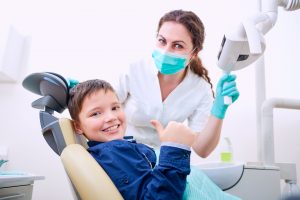 You never want to hear that your child has decay in one of their permanent teeth. If our team advises you that your child needs a dental filling, please remember that you and your child are in good hands. Here are a few tips to help guide you through this process:
 These are some of the most common questions we hear from parents, and the answers we provide:
 It can be difficult to get your child to practice proper oral care unsupervised. However, the long-term benefits of an early start to optimal oral hygiene are worth the effort. Below are some tips to help you make oral health a fun part of your child’s daily routine.