
Pediatric Dentist in Pelham
 It has long been known that dairy products contain high amounts of calcium, which is important for developing and maintaining strong teeth and bones. However, not all dairy works in the same ways. Did you know that a recent study has found that cheese can actually help protect teeth against cavities?
How does cheese prevent cavities?
Eating cheese helps stimulate the production of saliva in your child’s mouth, which washes away sugars, acids, and bacteria on their teeth. Additionally, cheese is a great source of both calcium and phosphorous, which can help strengthen tooth enamel. What’s more, the scientists who performed the study found that some of the other compounds found in cheese seem to adhere to tooth enamel, further protecting the teeth from acids in the mouth.
Are all cheeses the same?
No, some cheeses are healthier for your family than others. To get the greatest benefit from your child’s cheese intake, stick with real cheese varieties, rather than processed cheeses. American cheese, cheese dips, and pre-packaged cheese products, such as those found in jars or spray cans, have added sugars to enhance their flavor. These sugars can be harmful to teeth, rather than protecting them. In addition, these types of cheese products contain a significantly reduced amount of actual cheese content. These processed cheeses can even wear down tooth enamel, increasing risk of decay.
What kinds of cheese should I give my child?
There are hundreds of types of real cheese available, which are packed with calcium and great for tooth protection. If your child enjoys aged cheeses, Cheddar, Swiss, Monterey jack are all tasty options. If he or she prefers softer cheeses, Mozzarella, Brie, or Camembert may be a great way to make your child smile. Gorgonzola, Roquefort, and other similar cheeses have much to offer for a child with a more expansive palate.
What if we’re on a low-fat diet?
Good news! The fat content of your cheese choices do not affect its ability to protect your child’s teeth. The low-fat or non-fat versions of your child’s favorite varieties of cheese contain just as much calcium, phosphorous, and other tooth-protecting compounds as the full-fat varieties.
With so many great options to choose from, consider offering your child cheese instead of sugary or starchy options for a snack or end of meal treat. Cheese tastes great and is healthy for your child and their teeth. For more ideas for healthy snacking, contact our pediatric dental office.
6496 Quail Run Drive
Pelham, AL 35124
Phone: (205) 739-7773
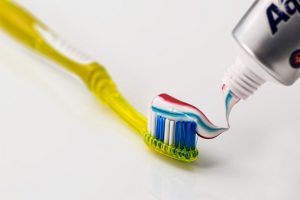 When buying a toothbrush, toothpaste, or coming in to our office, you often hear the word “plaque” associated with the health of your teeth. Plaque is one of the main reasons why it is so important to keep up with a daily oral hygiene routine that includes brushing two times each day for at least two minutes, and flossing regularly as well. Here’s what you need to know about plaque and what it can do to your smile.
 Keeping up optimal oral health takes more than brushing and flossing. Maintaining oral hygiene demands a bit of work, but it is worth it in the long run. Here are four ways you can improve your dental health right now.
 Calcium is an important mineral for building strong, healthy teeth, but not everyone can tolerate the lactose found in dairy. Lactose is a sugar found in milk and other dairy products. About 65% of people have reduced ability to process lactose past infancy.
 One of the best ways to calm fussy babies is by giving them a pacifier. However, as babies grow this can be a difficult habit to break. The use of pacifiers can cause improper mouth development which leads to abnormal tooth growth and additional complications later in life. Here’s what you need to know about the impact pacifiers have on your baby’s smile.
 Oral health is important at every stage in life. Just because your children are going to lose their primary (baby) teeth eventually doesn’t mean that we can ignore the importance of dental care. Tooth decay can be painful and uncomfortable to treat. To protect your child’s smile, it is vital to understand optimal preventive care.
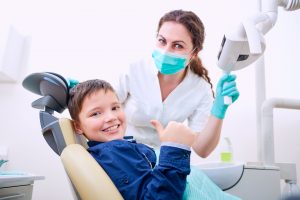 You never want to hear that your child has decay in one of their permanent teeth. If our team advises you that your child needs a dental filling, please remember that you and your child are in good hands. Here are a few tips to help guide you through this process:
 These are some of the most common questions we hear from parents, and the answers we provide:
 It can be difficult to get your child to practice proper oral care unsupervised. However, the long-term benefits of an early start to optimal oral hygiene are worth the effort. Below are some tips to help you make oral health a fun part of your child’s daily routine.
 It’s always important to have fun with our children. New experiences, new people and new surroundings can seem overwhelming to little ones. Read on for ways to make a trip to the dentist fun for your child and for you!