
Pediatric Dentist in Pelham
 According to data provided by the Centers for Disease Control and Prevention (CDC), about 20% of children take prescription medication regularly. There has been a steady, noticeable increase in the number of children using medication prescribed by their doctor. Several types of medication can impact your child’s oral health. When you visit our office for your child’s regular examination, please tell our team about any medications your child uses so we can better adapt our treatment approach.
We’ve compiled a list of 5 common ways medication can affect your child’s oral health.
- Dry Mouth
Dry mouth is a condition where the mouth produces a reduced level of saliva. Several medications can inhibit the mouth’s saliva production. Saliva is important, especially to children’s young teeth, as it helps to neutralize damaging acids. When left untreated, dry mouth can lead to higher rates of tooth decay.
- Gum Tissue Enlargement
Certain medications can lead to your child’s gum tissue becoming enlarged or overgrown. Extra attention is needed to avoid gum inflammation. In these instances, our team will recommend special care instructions to help your child maintain healthy gums.
- Tooth Decay
Most medications will not directly cause tooth decay. However, there are medications that use sugar, particularly for flavor. Think of the great-tasting liquid medicines available for kids, or candy-like throat lozenges. Over time, sugar can contribute to tooth decay as it feeds decay-causing bacteria. Our team recommends opting for sugar-free versions of medications when available. It is also advisable to have your child take their medication with a meal and a drink, to wash away sugary compounds.
- Bleeding
Medications can reduce the ability for blood to clot. If your child is going to undergo oral surgery, or even may be ready to lose a tooth, an increase in bleeding may occur. We ask that you notify our team of any medications your child is taking prior to scheduling treatment. This will allow our team to provide a high level of care for your child.
- Soft Tissue Reactions
Certain medications can lead to oral inflammations, discoloration, or even the appearance of oral sores. Contact us if your child is experiencing any of these symptoms. We can work with you and your child to create an oral hygiene plan to alleviate these side-effects.
It is essential that our team is aware of any medications your child is taking. This allows us to plan our treatments and recommendations accordingly. If you notice any changes in your child’s oral health, contact our team. Our goal is to work with you and your child to establish a lifetime of healthy habits and optimal oral health.
For questions regarding medication and your child’s oral health, contact our office.
6496 QUAIL RUN DRIVE
PELHAM, AL 35124
 Multivitamins are an excellent way to help children and adults receive nutrients that their diet lacks. For parents of picky eaters, this can be especially helpful. However, not all vitamins are created equally. Chewable, gummy vitamins are often marketed to children but carry risks to your child’s oral health. Here are three ways gummy vitamins affect your child’s oral health.
 Little teeth will grow into a big smile. To ensure your child is on track for a lifetime of optimal oral health, it is important to instill good oral hygiene habits early in life. We understand that this can sometimes be a challenge. It’s hard to keep the interest of young children, which can make brushing twice a day for two minutes each time difficult to do. We’ve gathered a few pointers to help you and your child make brushing time a fun experience.
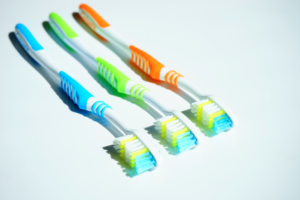 Do you ever think about your toothbrush? You use it twice a day, but how much do you know about it? We’ve compiled a list of interesting toothbrush facts. The next time you brush, consider these bits of trivia.
 When it comes to your child’s health and well-being, you want to be sure they are receiving the best possible care. Studies have shown that oral health is linked to overall health. It is important to have an experienced team that can work with your child to ensure a lifetime of optimal oral health. There are numerous advantages to choosing a pediatric dentist for your child including specialized training, a compassionate standard of care, and a welcoming environment.
 Proper dental hygiene is key to decreasing risk of periodontal (gum) disease in children. Hormonal changes in the body as your child grows increase blood circulation to the gums and may increase your child’s gum sensitivity. This can lead to a greater reaction to irritation, causing gums to become swollen and tender.
 Are you a diligent brusher who grabs the toothbrush as soon as you finish each snack or meal? While there are significant benefits to regular brushing, hurrying your hygiene might be doing more harm than good. The key lies in understanding the effects different types of food and drinks have on your teeth.
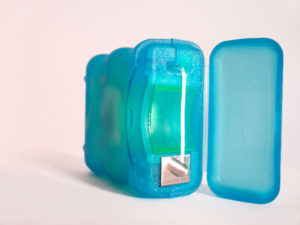 Loose teeth, bad breath, and painful, bloody gums – these are among the signs and symptoms of periodontal, or gum, disease. Unfortunately, periodontal disease can also begin without any obvious symptoms. If left undiagnosed or untreated, you could be at risk for irreparable damage to your teeth and gums. The good news is that periodontal disease is preventable. In fact, one of the most effective tools for preventing the disease only takes a minute of your time each day.
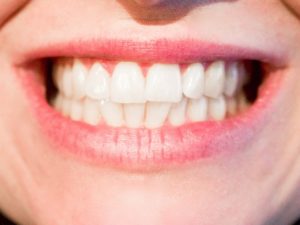 Your child’s mouth contains hundreds of bacteria. Before your child reaches for the toothbrush and mouthwash, understand that not all bacteria are bad. Here’s what you need to know about the bacteria that makes its home in your child’s mouth.