
Pelham Dentist | 6 Facts You Didn’t Know About Your Toothbrush

Dentist in Pelham


Pediatric Dentist in 35124Do you ever think about your toothbrush? You use it twice a day, but how much do you know about it? We’ve compiled a list of interesting toothbrush facts. The next time you brush, consider these bits of trivia.

  1. Toothbrushes may be less common than mobile devices

It is believed that more people own and use a mobile device than those who own and use a toothbrush. With nearly 8 billion mobile devices, the world has more mobile phones, tablets, and other gear than people. However, only 3.5 billion people are estimated to use a toothbrush.

  1. Origin story

It is believed that the first modern toothbrush was invented by a prisoner in England. Sometime around 1780, William Addis created a toothbrush from bone and used swine bristle for the brush.

  1. A long history

Long before Mr. Addis invented what we know as the toothbrush, ancient Egyptians, Babylonians, and Chinese crafted tools for cleaning their teeth. The ancient Chinese used “chewing sticks” to freshen breath as early as 1600 BCE.

  1. What are the bristles?

Originally, toothbrush bristles were primarily made from cow hairs or boar hair. Today, nylon is the material of choice, and has been since the 1930s.

  1. What color is your toothbrush?

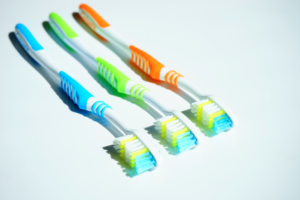
Blue is the most common toothbrush color. The second most common color is red.

  1. A home for bacteria

More than 100 million bacteria call your toothbrush home. You don’t get sick regularly because, like your toothbrush, your mouth is home to hundreds of millions of bacteria. Your body is quite effective at fighting off these germs, but if you don’t change your toothbrush regularly or share with someone else, you might catch an illness.

Now that you are a toothbrush expert, spread the word about the importance of regular brushing. Be sure to brush for two minutes twice each day. The American Dental Association recommends that you change your toothbrush every three to four months. If you have a weakened immune system or have been sick recently, you should replace your toothbrush.

Contact our office to schedule your child’s next visit today.

6496 Quail Run Drive
Pelham, AL 35124

 

Pelham Dentist | Gum Disease in Children

Dentist in Pelham

Gum disease in children

Proper dental hygiene is key to decreasing risk of periodontal (gum) disease in children. Hormonal changes in the body as your child grows increase blood circulation to the gums and may increase your child’s gum sensitivity. This can lead to a greater reaction to irritation, causing gums to become swollen and tender.


Prevention is the best medicine for gum disease. It is important to understand the symptoms of gum disease and what you can do to help your child maintain healthy teeth and gums


Chronic gingivitis

Chronic gingivitis is common in children and, if left untreated, may lead to a more serious form of gum disease. Symptoms include gums that swell, turn red, and easily bleed. This disease is highly preventable through maintaining a regular routine of brushing, flossing, and coming in for professional cleanings and thorough examinations.


Aggressive periodontitis

This disease is characterized by rapid loss of alveolar (jaw) bone. It most commonly affects teenagers and young adults who may otherwise be healthy. Aggressive periodontitis usually affects the molars and incisors, but may involve very little dental plaque.


Generalized aggressive periodontitis

This type of gum disease most often starts during puberty and involves the entire mouth. The primary indicators are inflammation of the gums and a heavy accumulation of plaque. This can lead to tooth loss if not diagnosed early and treated appropriately.


A few basic signs that can indicate potential early gum disease include:


Bleeding

Gums bleeding while brushing, flossing, or at any other time.


Puffiness

Gums that are swollen and bright.


Recession

Gums that are receded away from your child’s teeth and, in some cases, exposing the roots.


Bad Breath

Constant bad breath that is not corrected with proper brushing and flossing.


You can take steps to make sure that your children minimize their risk of gum disease. Help your child establish strong oral hygiene habits. Be their role model for effective brushing and flossing, and regular dental visits.

Contact our office to schedule your child’s next visit today.

6496 Quail Run Drive
Pelham, AL 35124


Pelham Pediatric Dentist | Why Choose a Pediatric Dentist?

Pediatric Dentist in Pelham

Pediatric Dentist in 35124When it comes to your child’s health and well-being, you want to be sure they are receiving the best possible care. Studies have shown that oral health is linked to overall health. It is important to have an experienced team that can work with your child to ensure a lifetime of optimal oral health. There are numerous advantages to choosing a pediatric dentist for your child including specialized training, a compassionate standard of care, and a welcoming environment.

Specialized Training

A pediatric dentist is specifically trained to help children. We understand children’s oral health and the dental issues many children face. Children’s dental health differs from that of adults. Our team has received special training to track the development of your child’s teeth. We can also help identify potential issues early. In these situations, we may refer you to one of our trusted colleagues such as an orthodontist or oral surgeon who works with children. We can help keep your child on track for a lifetime of optimal oral health.

Compassionate Care

It takes a special team to provide compassionate care for children. Pediatric dentistry is something our team is passionate about. We chose to work with kids because we love children. Our team finds tremendous fulfillment in building a relationship on trust with both you and your child. We understand the issues such as fear and anxiety that some children have regarding dental care. Our team is fully prepared for these situations, as we prioritize your child’s comfort and trust.

A Fun, Welcoming Environment

Our office was designed with your child’s comfort in mind. We understand the importance of nurturing a child’s curiosity and hope you and your child will find our office environment to be fun, educational, and welcoming. Our goal is to create a space that your child enjoys visiting.

When you chose our team for your child’s dental care, you receive the benefit of working with a team of dedicated professionals who understand children. We are experienced in communicating with young patients and their parents. Additionally, we are committed to improving your child’s oral health. Our goal is to educate your child on the importance of creating habits that promote oral hygiene.

We invite you and your child to visit our office and meet our team. Please contact us for more information.

PELHAM & HOOVER PEDIATRIC DENTIST
6496 QUAIL RUN DRIVE
PELHAM, AL 35124

Pelham Pediatric Dentist | Gum Disease in Children

Pediatric Dentist in Pelham

Pediatric Dentist in 35124Proper dental hygiene is key to decreasing risk of periodontal (gum) disease in children. Hormonal changes in the body as your child grows increase blood circulation to the gums and may increase your child’s gum sensitivity. This can lead to a greater reaction to irritation, causing gums to become swollen and tender.

Prevention is the best medicine for gum disease. It is important to understand the symptoms of gum disease and what you can do to help your child maintain healthy teeth and gums

Chronic gingivitis

Chronic gingivitis is common in children and, if left untreated, may lead to a more serious form of gum disease. Symptoms include gums that swell, turn red, and easily bleed. This disease is highly preventable through maintaining a regular routine of brushing, flossing, and coming in for professional cleanings and thorough examinations.

Aggressive periodontitis

This disease is characterized by rapid loss of alveolar (jaw) bone. It most commonly affects teenagers and young adults who may otherwise be healthy. Aggressive periodontitis usually affects the molars and incisors, but may involve very little dental plaque.

Generalized aggressive periodontitis

This type of gum disease most often starts during puberty and involves the entire mouth. The primary indicators are inflammation of the gums and a heavy accumulation of plaque. This can lead to tooth loss if not diagnosed early and treated appropriately.

A few basic signs that can indicate potential early gum disease include:

Bleeding

Gums bleeding while brushing, flossing, or at any other time.

Puffiness

Gums that are swollen and bright.

Recession

Gums that are receded away from your child’s teeth and, in some cases, exposing the roots.

Bad Breath

Constant bad breath that is not corrected with proper brushing and flossing.

You can take steps to make sure that your children minimize their risk of gum disease. Help your child establish strong oral hygiene habits. Be their role model for effective brushing and flossing, and regular dental visits.

Contact our office to schedule your child’s next visit today.

6496 QUAIL RUN DRIVE
PELHAM, AL 35124

Pelham Pediatric Dentist | Don’t Rush to Brush

Pediatric Dentist in Pelham, AL

Pediatric Dentist in 35124Are you a diligent brusher who grabs the toothbrush as soon as you finish each snack or meal? While there are significant benefits to regular brushing, hurrying your hygiene might be doing more harm than good. The key lies in understanding the effects different types of food and drinks have on your teeth.
The Dangers of Acidic Foods

Food and drinks that contain acids are particularly harmful to your teeth. Acid can wear away at the enamel on your teeth. As your enamel weakens, your risk for developing decay increases.

What Foods Should I Look Out For?

Fruits such as oranges, pineapples, and grapefruit contain problematic acids that can cause damage to your enamel. Diet sodas and wines can be just as damaging, as can fruit juices such as orange juice. Tomato products and foods such as pizza, salsa, soups, and sauces also contain acids.

But Brushing My Teeth Helps, Right?

Not necessarily. The acids in these foods weaken the enamel on your teeth. After eating or drinking a highly acidic product, your teeth are in a particularly vulnerable state. Enamel protects your teeth, and it is the strongest mineral in your entire body. However, the layers of your teeth beneath the enamel are not as strong and resilient. If you brush your teeth immediately after consuming something acidic, you can drive the acid further into your teeth. This speeds up the process of breaking down your enamel.

When Should I Brush?

Wait about 20 minutes after consuming acidic foods or drinks before brushing your teeth. While waiting, your mouth will produce saliva which helps to neutralize acids and wash away bacteria. Drinking water, rinsing your mouth, or chewing sugarless gum can help neutralize acids more quickly.

Should I Always Wait to Brush My Teeth?

While you should not rush to brush after eating acidic foods, you should not wait long after eating foods that are extremely sticky and sugary. If you are eating candy, taffy, or another sticky treat, waiting is not the best option. The sooner you can clean these sugary substances off your teeth, the better.

Should I Just Stop Eating Acidic Foods?

Acidic foods such as fruits contain vitamins and nutrients that are an essential component to your diet. While you don’t have to avoid these foods altogether, you should be mindful of how they impact your teeth. Maintain a daily oral hygiene schedule that includes regular flossing and at least two rounds of brushing for two minutes.
For more dental health tips, or to schedule your next visit to our office, please contact us.

Pelham Pediatric Dentist | One Tool for Better Gum Health

Pediatric Dentist in Pelham, AL

Pediatric Dentist in 35124Loose teeth, bad breath, and painful, bloody gums – these are among the signs and symptoms of periodontal, or gum, disease. Unfortunately, periodontal disease can also begin without any obvious symptoms. If left undiagnosed or untreated, you could be at risk for irreparable damage to your teeth and gums. The good news is that periodontal disease is preventable. In fact, one of the most effective tools for preventing the disease only takes a minute of your time each day.
Floss to the Rescue

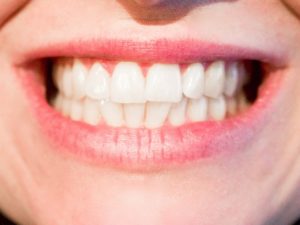
Dental floss is an effective and easy to use tool that can be among your best defenses for preventing periodontal disease. Periodontal disease is caused by a buildup of plaque and bacteria. Even if your daily oral hygiene routine already includes a thorough brushing that lasts for two minutes, at least twice each day, you should be flossing daily as well. Dental floss is highly effective at cleaning areas where your toothbrush cannot reach. Small gaps and tight spaces between teeth catch food debris and sugars and acids from drinks all day long. Flossing helps to clean out these tough to reach spaces.

Facts Behind Flossing

According to a survey referenced by the American Dental Association, only 40% of Americans are flossing each day. The same study showed a clear link between regular flossing and better oral health. Unfortunately, many people also lie about their flossing frequency. A study from the American Academy of Periodontology found that 27% of adults lie to their dentist about their flossing habits.

Tips for Flossing Correctly

It can be confusing to figure out the best way to use floss. Try working with roughly 18 inches of floss, while wrapping most of it around your middle finger. Use roughly one inch to work with for each tooth. Using your thumb and index finger, carefully slide the floss between your teeth. Floss to your gumline, but be gentle. Avoid cutting your gums. Work your way through your 18 inches of floss by using a new, clean section between each pair of adjacent teeth.

It only takes about a minute to floss your teeth each day, but minutes contribute to a lifetime of optimal oral health. Floss is among the most effective tools at your disposal to keep your gums clean and healthy. Get into the habit of flossing your teeth regularly – your gums will thank you.

For more information about gum health, or to schedule a visit to our office, please contact our team.

Pelham Pediatric Dentist | What’s in Your Child’s Mouth?

Pediatric Dentist in Pelham, AL

Pediatric Dentist in 35124Your child’s mouth contains hundreds of bacteria. Before your child reaches for the toothbrush and mouthwash, understand that not all bacteria are bad. Here’s what you need to know about the bacteria that makes its home in your child’s mouth.

Bacteria Basics

More than 700 different oral bacteria species have been detected. Most people usually have less than 10% of these different strains in their mouth at one time. Different strains have different purposes. Bacteria that are harmless and help digest food are known as probiotics. Other types of bacteria help keep your child’s teeth and gums healthy. The troublemakers are those that contribute to decay and periodontal disease.

The Dangers of Bacteria

Bacteria constantly grow and multiply in your child’s mouth. According to Registered Dental Hygienist Magazine, certain bacteria species can double their population in 20 minutes if conditions are right. They feed on starches and sugars that are the byproduct of the food and drinks your child consumes throughout the day. Certain bacteria types produce an acid while they feed. This acid erodes your child’s tooth enamel, leaving their teeth susceptible to decay.

Maintain a Healthy Mouth

The best way to manage the bacteria in your child’s mouth is to maintain excellent oral hygiene. Brushing at least twice each day for two full minutes and flossing regularly is the best way to keep bacteria in check. You may want to consider an antibacterial mouthwash. Another key element to maintaining optimal oral health is sticking to a healthy diet. By avoiding or cutting back on foods and drinks that contain high amounts of sugars, acids, and starches, you can reduce the multiplication of bacteria that feed on these byproducts.

Not all bacteria are out to harm your child’s teeth. Bacteria can be incredibly helpful in maintaining your child’s overall heath. To help protect your child’s mouth and teeth against the bad bacteria strains, keep them following their oral hygiene routine. During your next visit to our office, we will provide a thorough cleaning and check for decay. We will also screen for any signs of other oral diseases.

For more information on keeping your child’s mouth healthy, please contact our team.

Pelham Pediatric Dentist | Say Cheese!

Pediatric Dentist Pelham

It has long been known that dairy products contain high amounts of calcium, which is important for developing and maintaining strong teeth and bones. However, not all dairy works in the same ways. Did you know that a recent study has found that cheese can actually help protect teeth against cavities?

How does cheese prevent cavities?

Eating cheese helps stimulate the production of saliva in your child’s mouth, which washes away sugars, acids, and bacteria on their teeth. Additionally, cheese is a great source of both calcium and phosphorous, which can help strengthen tooth enamel. What’s more, the scientists who performed the study found that some of the other compounds found in cheese seem to adhere to tooth enamel, further protecting the teeth from acids in the mouth.

Are all cheeses the same?

No, some cheeses are healthier for your family than others. To get the greatest benefit from your child’s cheese intake, stick with real cheese varieties, rather than processed cheeses. American cheese, cheese dips, and pre-packaged cheese products, such as those found in jars or spray cans, have added sugars to enhance their flavor. These sugars can be harmful to teeth, rather than protecting them. In addition, these types of cheese products contain a significantly reduced amount of actual cheese content. These processed cheeses can even wear down tooth enamel, increasing risk of decay.

What kinds of cheese should I give my child?

There are hundreds of types of real cheese available, which are packed with calcium and great for tooth protection. If your child enjoys aged cheeses, Cheddar, Swiss, Monterey jack are all tasty options. If he or she prefers softer cheeses, Mozzarella, Brie, or Camembert may be a great way to make your child smile. Gorgonzola, Roquefort, and other similar cheeses have much to offer for a child with a more expansive palate.

What if we’re on a low-fat diet?

Good news! The fat content of your cheese choices do not affect its ability to protect your child’s teeth. The low-fat or non-fat versions of your child’s favorite varieties of cheese contain just as much calcium, phosphorous, and other tooth-protecting compounds as the full-fat varieties.

With so many great options to choose from, consider offering your child cheese instead of sugary or starchy options for a snack or end of meal treat. Cheese tastes great and is healthy for your child and their teeth. For more ideas for healthy snacking, contact our pediatric dental office.

Pediatric Dentist in Pelham AL | 5 Fun Teeth Facts

Pelham Pediatric Dentist

Test your child’s (and maybe your own) knowledge with these five fun facts about teeth and brushing. How many do you know without checking?

  1. What color is your toothbrush? The most common color is blue, followed by red. If you will be spending the night somewhere or are going camping, take a toothbrush that isn’t blue to avoid confusion!
  1. It’s a commonly repeated story that George Washington had wooden teeth, but this is not the case. In fact, his dentures were made from bone, brass, gold, and ivory. Washington suffered from extensive dental problems his entire life, and only had one tooth left by the time he became president.
  1. Do you know how many teeth you have? Kids have up to 20 teeth and a full adult set has 32. Luckily, you don’t have as many teeth as some armadillo species, which can have more than 100 teeth!
  1. The tooth fairy’s pay rate has increased over time. In 1950, the average pay for a tooth was 25 cents. By 1988, the tooth fairy was paying $1 per tooth, and in 2015 that number jumped to an average of $3.19.
  1. Tooth enamel is the hardest substance in your body. 96% of enamel is made of minerals.

Brushing twice each day for two minutes, and flossing regularly is the key to keeping your enamel free from decay.

How many of these fun teeth facts did you already know? The most important fact to know about your teeth is that taking care of them is essential to your health. Make sure your child is keeping up with their oral hygiene routine, as well as visiting us for a regular examination.

For more tips on keeping your child’s teeth healthy or to schedule your child’s next visit to our office, please contact us. We look forward to seeing you!

Pelham Pediatric Dentist | Why You Should Avoid the Emergency Room for Dental Work

Pediatric Dentist in Hoover

You want to save time and money, so you take your child to the emergency room for a dental problem. It’s a growing trend especially among parents, but you should generally avoid using the emergency room when dental problems occur. We understand you want your child to receive the best available care in the quickest manner possible. However, it is important to know the best place to seek out for dental issues is often our office.


How Common is it?

Over the past several years there has been a noticeable increase in the number of patients admitted to the emergency room because of a dental issue. The American Dental Association estimates that emergency room visits for dental issues occur roughly every 15 seconds, for a total of 2.2 million patients per year.

When You Should Visit the Emergency Room

If your child has a broken jaw or severe bleeding from the mouth, then an emergency room visit is in order. However, when it comes to severe discomfort from a toothache, broken teeth, or extensive decay, our dental office is a much better option to help treat you. Our office is equipped with a knowledgeable team that specializes in dental care. Our dentist also uses special tools that an emergency room would not be equipped with.

Why People Choose the Emergency Room Instead

When it comes to children, many parents take their kids to the emergency room because of insurance. You might think it will be easier and cheaper but the reality is often the opposite. Those lacking dental insurance seek out the hospital as a cheaper alternative, only instead to be billed excessively for what is likely considered a “non-emergency.” Also, emergency room wait times can often be extensive so it is usually not a quick alternative.

Our office works hard to ensure visitors receive excellent, affordable care in the quickest manner possible. Talk to us about your own situation so that we can reach a solution.

Regular Visits Are Your Best Defense

A visit to the emergency room is costly. Instead, your best defense in keeping a healthy mouth is by setting up regular visits to our office. Many who seek dental care in the emergency room do so because they neglected to act sooner, but our professional dental team can assist you. Tackling dental care early is your best defense.

When it comes to receiving dental care, our office has the knowledge and experience to best serve you. Our dentist has the necessary tools to treat patients. We strive to see our patients in a timely manner, so call our office to schedule your next visit.

If you have any questions about keeping your smile healthy, please contact our office.