
 It can be difficult to get your child to practice proper oral care unsupervised. However, the long-term benefits of an early start to optimal oral hygiene are worth the effort. Below are some tips to help you make oral health a fun part of your child’s daily routine.
- Brush with a Buddy.
Your child will be much more excited to floss and brush their teeth if it’s a family activity. Brush your teeth with your child, or if they have siblings, have the kids brush together. This will help make the time more fun and help your child to subconsciously accept oral hygiene as a normal part of a daily routine.
- Choose the Right Supplies.
Let you child pick out their own toothbrush. This will help them feel like they have a say in their oral care routine.
- Reward Good Behavior.
A little incentive can go a long way. When trying to get your child to floss and brush on their own, it might be helpful to implement a simple reward system. For example, your child could track their own brushing on a calendar and trade it in for a small gift or prize after a month of twice daily brushing.
- Educate to Empower.
It’s important that your child understands why practicing good oral hygiene is so important. Use this as an opportunity to teach them about the dangers associated with poor oral health.
There are a lot of strategies you can use to make brushing a fun part of your child’s day, rather than a chore. You know your child better than anyone, so don’t be afraid to come up with some additional techniques that will work better for them!
Regular professional dental cleanings are an essential part of any good oral hygiene routine, so contact our dental team to schedule your child’s next appointment today.
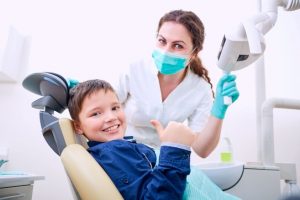 It’s always important to have fun with our children. New experiences, new people and new surroundings can seem overwhelming to little ones. Read on for ways to make a trip to the dentist fun for your child and for you!
 Children losing their first tooth is an exciting stage in life. They often run to you as soon as their tooth falls out asking if the Tooth Fairy will visit them at night. Most children know about the Tooth Fairy, but many people don’t know where or when this tradition started. The concept surrounding lost baby teeth has been around for centuries. Below we have shared common historical traditions that have helped evolve the Tooth Fairy into the tradition that it is today.
 Braces create a beautiful, straight smile, but how do you maintain these results after treatment? Your final orthodontic results depend on your retainer. Retainers help maintain the position of straighten teeth, so be sure to follow up with us for additional treatment after your braces have been removed. Read the information below to learn more about retainers and how to care for them at home.
 Your baby’s first teeth developing can be a difficult experience for both you and your child. Most teeth begin to appear as early as 3 moths to 1 year old. This process can be uncomfortable and cause sleepless nights. However, there are things you can do to keep your toddler less irritable while they are teething.
 As a parent, it’s important to model good behaviors to your children. From being courteous to cleaning up after themselves, your child learns how to be responsible from you. It can be difficult to get your child to practice good oral care unsupervised, however the long-term benefits of an early start to good oral hygiene are worth the effort. Below are some tips to help you make practicing good oral health a fun part of your child’s daily routine, rather than something you have to fight over every day. Contact our dental team today to learn more or to schedule your child’s next dental examination and cleaning.
 Did you know that tooth decay is the single largest cause of school absences? The longer decay goes untreated, the worse it gets. Not only can this mean costlier expenses for you, but it also jeopardizes your child’s oral health and education. You can help your child have a healthy, happy smile by taking a few steps to defend against tooth decay. Here are three steps you can take at home.
 Tooth decay in infants and toddlers is often referred to as “baby bottle” tooth decay. This type of tooth decay is often caused by bacteria shared by the primary caregiver or by a lack of proper oral hygiene. However, the most common cause is frequent and prolonged exposure to drinks containing sugar, especially in the baby’s bottle.
 Oral health is important at every stage in life. Just because your children are going to lose their primary (baby) teeth eventually doesn’t mean that we can ignore the importance of dental care. Tooth decay can be painful and uncomfortable to treat. To protect your child’s smile, it is vital to understand optimal preventive care.