
Hoover Pediatric Dentist | How Probiotics Improve Oral Health

Pelham Pediatric Dentist

Probiotics are typically advertised as being helpful for digestion. However, studies have shown that they can also improve oral health. Probiotics are beneficial for fighting infections that lead to oral disease.  

Reducing Gingivitis 

A study published in Contemporary Clinical Dentistry has found that probiotics can reduce gum bleeding in patients with moderate to severe gingivitis. In the trial, children were given either a placebo or two different combinations of probiotics. At the three-week mark, it was discovered that children who took probiotics had significant improvements in their gingival status. 

Combating Periodontitis 

Periodontitis is another oral disease that probiotics have been shown to fight. Periodontitis is caused by harmful bacteria that separate teeth from the gums creating pockets that can become infected. Probiotics can fight harmful bacteria and lessen the inflammation to help heal the mouth. 

Fighting Cavities 

Another finding from the trial of the Contemporary Clinical Dentistry showed that children who took probiotics also saw a significant decrease in plaque. The reduction of plaque leads to less decay. Probiotics fight the plaque and occupy the spaces on the teeth where bad bacteria thrive.  

Minimizing Bad Breath 

Another benefit of probiotics is the effect they have on bad breath. Bad breath is usually caused by volatile sulfur compound bacteria releasing odor-causing gases. Because probiotics are healthy bacteria, it is believed that they can eliminate the bad bacteria and maintain a healthy bacteria balance in your mouth.  

The benefits of probiotics are not just limited to the digestive health. Researchers continue to conduct studies to discover new ways probiotics contribute to a healthy mouth and body.  

Contact our team for more information on oral health or to schedule a visit today. 

Indian Springs Pediatric Dentistry
Phone: (205) 739-7773
6496 Quail Run Drive
Hoover, AL 35124

Family Dentist Hoover AL | How Pregnancy Affects Your Oral Health

Family Dentist Pelham AL

During pregnancy, it is essential that you don’t neglect your oral health. A fluctuation in hormones can cause drastic changes in your mouth. Oral health complications have been linked to increased risk in other significant overall health issues. Here are the most common oral health problems, how they can affect your pregnancy, and how to prevent them. 

Oral Health Problems During Pregnancy 

According to the Academy of General Dentistry, only 22 to 34 percent of women in the United States visit a dentist during pregnancy. Regular visits to our office while expecting can allow us to detect potential issues early. Gingivitis is the biggest concern during pregnancy. The buildup of plaque is more likely to cause an expecting mother to have red, swollen, and painful gums that bleed. If the gums become even more swollen and irritated, it can cause non-cancerous pregnancy tumors. If oral health problems are left untreated they can lead to serious diseases.  

Ways to Prevent Gum Problems 

The best way to decrease any risk of getting gingivitis is to brush your teeth at least twice a day. Make sure you brush the full tooth, all the way to the gums. Flossing your teeth regularly will also keep your gums healthy. Seeing your dentist more frequently for cleanings will reduce plaque and minimize any problems.  

How Bad Oral Health Can Affect Your Baby 

The Academy of General Dentistry suggests a link between gingivitis and having a preterm or low-birthweight baby. If an expecting mother has gingivitis, it can cause bacteria to enter in the bloodstream and travel to the uterus. The bacteria triggers chemicals that may induce early labor. 

Maintaining good oral health is important in combating problems during pregnancy. Gingivitis is the most common concern that can be managed with the help of your dentist. Without proper treatment, gingivitis can lead to other health issues that not only affect you, but also your pregnancy. Keep yourself and your child safe by having a consultation with your dentist before or during your pregnancy. We also recommend that you bring your new baby to the dentist as soon as their first tooth grows in so they can get started on the path to a healthy life.  

Contact our dental team today to schedule an appointment.  

Indian Springs Pediatric Dentistry
Phone: (205) 739-7773
6496 Quail Run Drive
Hoover, AL 35124

Pediatric Dentist 35124 | 5 Ways Medication May Be Affecting Your Child’s Oral Health

Pediatric Dentist 35124

According to data provided by the Centers for Disease Control and Prevention (CDC), about 20% of children take prescription medication regularly. There has been a steady, noticeable increase in the number of children using medication prescribed by their doctor. Several types of medication can impact your child’s oral health. When you visit our office for your child’s regular examination, please tell our team about any medications your child uses so we can better adapt our treatment approach. 

We’ve compiled a list of 5 common ways medication can affect your child’s oral health. 

1. Dry Mouth 

Dry mouth is a condition where the mouth produces a reduced level of saliva. Several medications can inhibit the mouth’s saliva production. Saliva is important, especially to children’s young teeth, as it helps to neutralize damaging acids. When left untreated, dry mouth can lead to higher rates of tooth decay. 

2.  Gum Tissue Enlargement 

Certain medications can lead to your child’s gum tissue becoming enlarged or overgrown. Extra attention is needed to avoid gum inflammation. In these instances, our team will recommend special care instructions to help your child maintain healthy gums.  

3. Tooth Decay 

Most medications will not directly cause tooth decay. However, there are medications that use sugar, particularly for flavor. Think of the great-tasting liquid medicines available for kids, or candy-like throat lozenges. Over time, sugar can contribute to tooth decay as it feeds decay-causing bacteria. Our team recommends opting for sugar-free versions of medications when available. It is also advisable to have your child take their medication with a meal and a drink, to wash away sugary compounds. 

4. Bleeding 

Medications can reduce the ability for blood to clot. If your child is going to undergo oral surgery, or even may be ready to lose a tooth, an increase in bleeding may occur. We ask that you notify our team of any medications your child is taking prior to scheduling treatment. This will allow our team to provide a high level of care for your child. 

5. Soft Tissue Reactions 

Certain medications can lead to oral inflammations, discoloration, or even the appearance of oral sores. Contact us if your child is experiencing any of these symptoms. We can work with you and your child to create an oral hygiene plan to alleviate these side-effects. 

It is essential that our team is aware of any medications your child is taking. This allows us to plan our treatments and recommendations accordingly. If you notice any changes in your child’s oral health, contact our team. Our goal is to work with you and your child to establish a lifetime of healthy habits and optimal oral health. 

For questions regarding medication and your child’s oral health, contact our office.  

Indian Springs Pediatric Dentistry
Phone: (205) 739-7773
6496 Quail Run Drive
Hoover, AL 35124

Pelham Pediatric Dentist | Is Your Child Using the Right Toothbrush?

Is Your Child Using the Right Toothbrush?

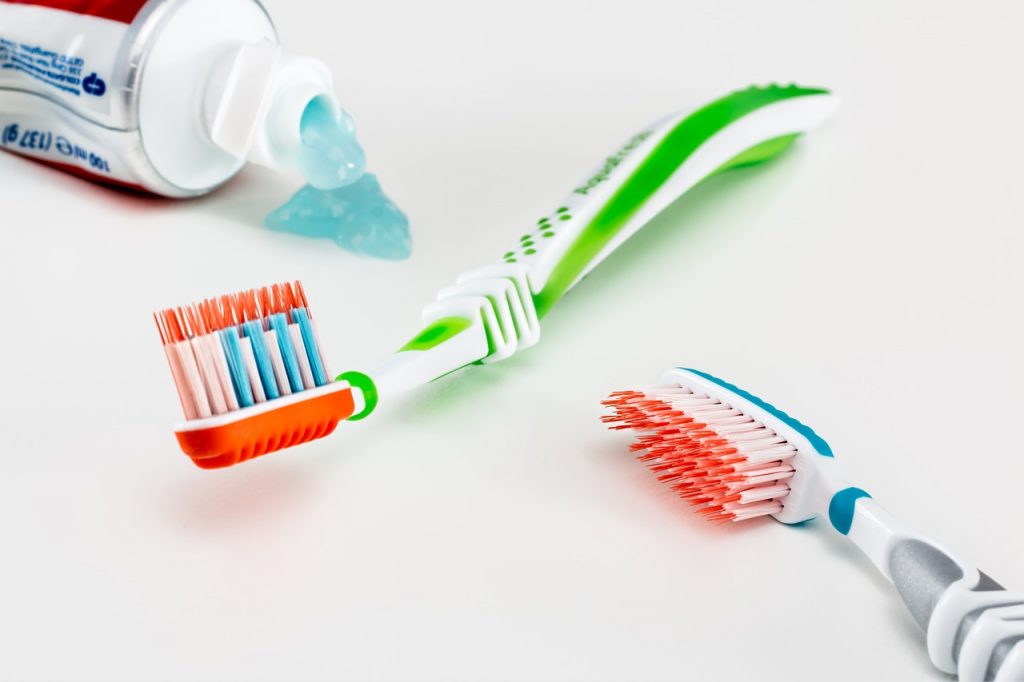
Nothing fills your heart more than seeing your child smile. But what toothbrush is best for your 3 month old? What about when they turn 3 years old? With so many different choices it can be overwhelming to decide which toothbrush is best for your child at different stages of their life. That’s why we put together a brief description with your child’s changing oral health needs and what type of toothbrush will suit them. 

General Guideline 

Regardless of your child’s age, the toothbrush that they use should easily fit into their mouth and be easy to grip. Toothbrushes with soft bristles won’t irritate their gums and long handles will help them to move the brush in their mouth. 

Babies 

Many parents choose to use a damp cloth but you can begin to clean your child’s teeth with a toothbrush before their teeth come in! Using a toothbrush designed for babies allows you to clean their teeth while getting them used to brushing. These toothbrushes have a very small head, which allow you to comfortably brush baby’s gums.   

Toddlers 

Around the age of two, your toddler will begin to take an interest in brushing their teeth. This is an important age to teach how to brush teeth and to get your child into the routine of brushing twice a day. Toddler toothbrushes have a small head and a long handle, allowing easy gripping for the child. There are also powered toothbrushes that children can use at this age, which can make brushing a bit more fun! 

Ages Five to Eight 

At this age, your child is becoming more independent when it comes to dental health but will still need supervision while brushing. Many of the toothbrushes have fun characters on them and have a slimmer handle than a toddler brush. Choosing a favorite cartoon character may help your child maintain their interest in brushing 

Eight and Up 

No longer needing supervision while brushing, children eight and up have very similar toothbrushes to adults. The only difference in the toothbrush is a slightly smaller head and longer handle. Although manual toothbrushes clean just as effectively, powered toothbrushes can help those who may have issues using a manual toothbrush efficiently.  

Toothbrushes alone won’t guarantee your child’s oral health! Make sure to instill a regular brushing and flossing routine to keep your child smiling. Contact our office for any other questions regarding your child’s dental health. 

Pelham Pediatric Dentist | Chewing Gum for Your Oral Health

Pediatric Dentist in Pelham

Pediatric Dentist in 35124Sugary, sticky, and sweet candies can damage your teeth by increasing your risk of decay. Though gum can be considered a type of candy, chewing sugarless gum approved by the ADA can actually help protect teeth and prevent tooth decay. Here’s what you need to know about gum and your teeth.

How it Works

Chewing gum helps increase the production of saliva. Chewing sugarless gum for twenty minutes following meals can help prevent tooth decay because the saliva helps wash away food and other debris from the surface of your teeth. Increased salivary flow can also neutralize acids that bacteria produce inside your mouth. Over time, acid can break down tooth enamel, leading to decay. Saliva contains calcium and phosphate, which aid in strengthening tooth enamel.

Look for the ADA Seal

The ADA Seal assures you that the gum is sugarless and has met the ADA’s criteria for safety and effectiveness. ADA-labeled products are tested to ensure they provide the benefits guaranteed by the seal. Companies must verify all relevant data with the ADA to become certified. If you are unable to brush for a short period of time, chewing gum with the ADA seal is a great option to help clean your teeth after a meal or snack.

Can I Stop Brushing if I Chew Gum?

No. Chewing gum for twenty minutes after a meal helps but is not a replacement for brushing and flossing. You should brush at least twice each day, for two full minutes. Chewing gum also does not eliminate your need for regular dental examinations. Our dentist recommends scheduling two visits each year, with additional visits necessary for high-risk patients with oral health conditions.

Chewing sugarless gum has noticeable benefits for your oral health, such as increasing the production of saliva. While this can help prevent the build up of decay-causing bacteria, chewing gum should not be used as a substitute for brushing or flossing. Our dentist recommends that if you are chewing gum, be sure to choose an ADA approved brand of sugarless gum.

To schedule your next visit, please contact our dental office.

Kids Dentist Pelham | Can You Inherit Oral Health Issues?

dentist pelham pediatricPediatric Dentist Near Me

Most serious oral health issues can be prevented by maintaining an effective routine of dental hygiene and in-office care. However, you could be at higher risk for some oral illnesses due to hereditary factors. Awareness and proper treatment can help minimize these risks. Here are a few of the most common oral health concerns that are affected by genetics.

Tooth decay – One of the most common oral issues, some tooth decay has been linked to a genetic deficiency of a protein called DEFB1. If your parents experienced an unusually high rate of tooth decay, then you may want to be more vigilant regarding your own dental care.

Oral cancer – Certain genetic factors can increase your risk of developing oral cancer. Our doctor recommends annual oral cancer screening for early identification and treatment. In addition, certain lifestyle choices, such as quitting smoking and limiting alcohol consumption, can help reduce your risk of oral cancer.

Periodontal disease – Recent research has found that some forms of gum disease may be linked to mutations in genes that affect immunity and inflammatory response.

Misaligned or supernumerary (extra) teeth – Genetics can play a role in having misaligned or even extra teeth. The size of your jaw is determined mostly through heredity, and is the most common reason for an overbite, underbite, or dental crowding.

Canker sores – In most cases, canker sores are an isolated reaction to fatigue, stress, or menstrual cycles. However, there are certain inherited diseases that count canker sores among their symptoms. Crohn’s disease and Celiac sprue are two such conditions.

While you may not be able to avoid hereditary oral health issues entirely, we can help minimize or even reverse their effects with proper treatment and care. If you suffer from any of these inherited conditions, contact our office for an oral health evaluation. We can help.

Indian Springs Pediatric Dentistry
6496 Quail Run Drive, Pelham, AL 35124
(205) 739-7773

Pelham Pediatric Dentist | Why Choose a Pediatric Dentist?

Pediatric Dentist in Pelham

Pediatric Dentist in 35124When it comes to your child’s health and well-being, you want to be sure they are receiving the best possible care. Studies have shown that oral health is linked to overall health. It is important to have an experienced team that can work with your child to ensure a lifetime of optimal oral health. There are numerous advantages to choosing a pediatric dentist for your child including specialized training, a compassionate standard of care, and a welcoming environment.

Specialized Training

A pediatric dentist is specifically trained to help children. We understand children’s oral health and the dental issues many children face. Children’s dental health differs from that of adults. Our team has received special training to track the development of your child’s teeth. We can also help identify potential issues early. In these situations, we may refer you to one of our trusted colleagues such as an orthodontist or oral surgeon who works with children. We can help keep your child on track for a lifetime of optimal oral health.

Compassionate Care

It takes a special team to provide compassionate care for children. Pediatric dentistry is something our team is passionate about. We chose to work with kids because we love children. Our team finds tremendous fulfillment in building a relationship on trust with both you and your child. We understand the issues such as fear and anxiety that some children have regarding dental care. Our team is fully prepared for these situations, as we prioritize your child’s comfort and trust.

A Fun, Welcoming Environment

Our office was designed with your child’s comfort in mind. We understand the importance of nurturing a child’s curiosity and hope you and your child will find our office environment to be fun, educational, and welcoming. Our goal is to create a space that your child enjoys visiting.

When you chose our team for your child’s dental care, you receive the benefit of working with a team of dedicated professionals who understand children. We are experienced in communicating with young patients and their parents. Additionally, we are committed to improving your child’s oral health. Our goal is to educate your child on the importance of creating habits that promote oral hygiene.

We invite you and your child to visit our office and meet our team. Please contact us for more information.

PELHAM & HOOVER PEDIATRIC DENTIST
6496 QUAIL RUN DRIVE
PELHAM, AL 35124

Pelham Pediatric Dentist | Gum Disease in Children

Pediatric Dentist in Pelham

Pediatric Dentist in 35124Proper dental hygiene is key to decreasing risk of periodontal (gum) disease in children. Hormonal changes in the body as your child grows increase blood circulation to the gums and may increase your child’s gum sensitivity. This can lead to a greater reaction to irritation, causing gums to become swollen and tender.

Prevention is the best medicine for gum disease. It is important to understand the symptoms of gum disease and what you can do to help your child maintain healthy teeth and gums

Chronic gingivitis

Chronic gingivitis is common in children and, if left untreated, may lead to a more serious form of gum disease. Symptoms include gums that swell, turn red, and easily bleed. This disease is highly preventable through maintaining a regular routine of brushing, flossing, and coming in for professional cleanings and thorough examinations.

Aggressive periodontitis

This disease is characterized by rapid loss of alveolar (jaw) bone. It most commonly affects teenagers and young adults who may otherwise be healthy. Aggressive periodontitis usually affects the molars and incisors, but may involve very little dental plaque.

Generalized aggressive periodontitis

This type of gum disease most often starts during puberty and involves the entire mouth. The primary indicators are inflammation of the gums and a heavy accumulation of plaque. This can lead to tooth loss if not diagnosed early and treated appropriately.

A few basic signs that can indicate potential early gum disease include:

Bleeding

Gums bleeding while brushing, flossing, or at any other time.

Puffiness

Gums that are swollen and bright.

Recession

Gums that are receded away from your child’s teeth and, in some cases, exposing the roots.

Bad Breath

Constant bad breath that is not corrected with proper brushing and flossing.

You can take steps to make sure that your children minimize their risk of gum disease. Help your child establish strong oral hygiene habits. Be their role model for effective brushing and flossing, and regular dental visits.

Contact our office to schedule your child’s next visit today.

6496 QUAIL RUN DRIVE
PELHAM, AL 35124

Pelham Pediatric Dentist | Don’t Rush to Brush

Pediatric Dentist in Pelham, AL

Pediatric Dentist in 35124Are you a diligent brusher who grabs the toothbrush as soon as you finish each snack or meal? While there are significant benefits to regular brushing, hurrying your hygiene might be doing more harm than good. The key lies in understanding the effects different types of food and drinks have on your teeth.
The Dangers of Acidic Foods

Food and drinks that contain acids are particularly harmful to your teeth. Acid can wear away at the enamel on your teeth. As your enamel weakens, your risk for developing decay increases.

What Foods Should I Look Out For?

Fruits such as oranges, pineapples, and grapefruit contain problematic acids that can cause damage to your enamel. Diet sodas and wines can be just as damaging, as can fruit juices such as orange juice. Tomato products and foods such as pizza, salsa, soups, and sauces also contain acids.

But Brushing My Teeth Helps, Right?

Not necessarily. The acids in these foods weaken the enamel on your teeth. After eating or drinking a highly acidic product, your teeth are in a particularly vulnerable state. Enamel protects your teeth, and it is the strongest mineral in your entire body. However, the layers of your teeth beneath the enamel are not as strong and resilient. If you brush your teeth immediately after consuming something acidic, you can drive the acid further into your teeth. This speeds up the process of breaking down your enamel.

When Should I Brush?

Wait about 20 minutes after consuming acidic foods or drinks before brushing your teeth. While waiting, your mouth will produce saliva which helps to neutralize acids and wash away bacteria. Drinking water, rinsing your mouth, or chewing sugarless gum can help neutralize acids more quickly.

Should I Always Wait to Brush My Teeth?

While you should not rush to brush after eating acidic foods, you should not wait long after eating foods that are extremely sticky and sugary. If you are eating candy, taffy, or another sticky treat, waiting is not the best option. The sooner you can clean these sugary substances off your teeth, the better.

Should I Just Stop Eating Acidic Foods?

Acidic foods such as fruits contain vitamins and nutrients that are an essential component to your diet. While you don’t have to avoid these foods altogether, you should be mindful of how they impact your teeth. Maintain a daily oral hygiene schedule that includes regular flossing and at least two rounds of brushing for two minutes.
For more dental health tips, or to schedule your next visit to our office, please contact us.

Pelham Pediatric Dentist | One Tool for Better Gum Health

Pediatric Dentist in Pelham, AL

Pediatric Dentist in 35124Loose teeth, bad breath, and painful, bloody gums – these are among the signs and symptoms of periodontal, or gum, disease. Unfortunately, periodontal disease can also begin without any obvious symptoms. If left undiagnosed or untreated, you could be at risk for irreparable damage to your teeth and gums. The good news is that periodontal disease is preventable. In fact, one of the most effective tools for preventing the disease only takes a minute of your time each day.


Floss to the Rescue

Dental floss is an effective and easy to use tool that can be among your best defenses for preventing periodontal disease. Periodontal disease is caused by a buildup of plaque and bacteria. Even if your daily oral hygiene routine already includes a thorough brushing that lasts for two minutes, at least twice each day, you should be flossing daily as well. Dental floss is highly effective at cleaning areas where your toothbrush cannot reach. Small gaps and tight spaces between teeth catch food debris and sugars and acids from drinks all day long. Flossing helps to clean out these tough to reach spaces.

Facts Behind Flossing

According to a survey referenced by the American Dental Association, only 40% of Americans are flossing each day. The same study showed a clear link between regular flossing and better oral health. Unfortunately, many people also lie about their flossing frequency. A study from the American Academy of Periodontology found that 27% of adults lie to their dentist about their flossing habits.

Tips for Flossing Correctly

It can be confusing to figure out the best way to use floss. Try working with roughly 18 inches of floss, while wrapping most of it around your middle finger. Use roughly one inch to work with for each tooth. Using your thumb and index finger, carefully slide the floss between your teeth. Floss to your gumline, but be gentle. Avoid cutting your gums. Work your way through your 18 inches of floss by using a new, clean section between each pair of adjacent teeth.

It only takes about a minute to floss your teeth each day, but minutes contribute to a lifetime of optimal oral health. Floss is among the most effective tools at your disposal to keep your gums clean and healthy. Get into the habit of flossing your teeth regularly – your gums will thank you.

For more information about gum health, or to schedule a visit to our office, please contact our team.