
Hoover AL Pediatric Dentist | Preventing Enamel Erosion

Pelham AL Pediatric Dentist | Preventing Enamel Erosion

Do you have white spots on your teeth? Are your teeth quite sensitive? Do your teeth have cracks, chips, or indentations? If yes, then you may be experiencing enamel erosion.

Tooth enamel is the hardest substance in the human body. It is the clear coating that protects your teeth. However, being the strongest substance in the body does not mean it should be neglected. Enamel can erode. Without the protection of enamel, you not only risk developing decay, but also abscesses, tooth pain, and even tooth loss.

What Causes Tooth Enamel Erosion?

There are several factors that cause tooth enamel to erode, some of which are the result of everyday actions. Sugars and acids can wear down enamel. If you regularly drink soft drinks or sugary fruit drinks, you may be damaging your teeth. To protect your teeth, limit your consumption of such drinks. Alcohol can also erode enamel, as well as a diet that is high in sugary or starchy foods. The bacteria in the mouth can transforms starches and sugars in foods such as bread into damaging acid.

Other factors include acid reflux, recurrent vomiting, gastrointestinal problems, genetically inherited conditions, grinding your teeth, even brushing too hard or not flossing properly. All of these impact the health of your enamel, and, ultimately, your teeth. Once the enamel is worn or chipped away, it cannot be replaced.

Keep the sweets from becoming everyday treats, replace white breads with whole grains, and try eating more cheese and yogurt to bolster the calcium in your saliva to keep the acids in check.

How Can Enamel Erosion Be Prevented?

In addition to exercising moderation with soft drinks, alcohol, sugars and starches, and, of course, taking extra care with regard to medical conditions and your tooth care regimen, there are a few extra things you can do to protect your smile. Saliva can neutralize harmful acids in your mouth. By drinking water and chewing sugar-free gum, you can boost saliva production.

Keep the sweets from becoming everyday treats and replace white breads with whole grains. Add more cheese and yogurt to your diet. Not only are both foods high in calcium, but they also help neutralize harmful acids in your mouth.

Tooth enamel is essential for maintaining a healthy smile. Be mindful of what you eat and drink. Enamel erosion may also be the consequence of other complications such as excessive teeth grinding or acid reflux. Regular visits to our office allow our team to provide a full examination. If we detect that your enamel is eroding, we will discuss potential causes and solutions.

To schedule your next visit to our office, please contact our team today.

Indian Springs Pediatric Dentistry
Phone: (205) 739-7773
6496 Quail Run Drive
Hoover, AL 35124

Hoover Pediatric Dentist | How Probiotics Improve Oral Health

Pelham Pediatric Dentist

Probiotics are typically advertised as being helpful for digestion. However, studies have shown that they can also improve oral health. Probiotics are beneficial for fighting infections that lead to oral disease.  

Reducing Gingivitis 

A study published in Contemporary Clinical Dentistry has found that probiotics can reduce gum bleeding in patients with moderate to severe gingivitis. In the trial, children were given either a placebo or two different combinations of probiotics. At the three-week mark, it was discovered that children who took probiotics had significant improvements in their gingival status. 

Combating Periodontitis 

Periodontitis is another oral disease that probiotics have been shown to fight. Periodontitis is caused by harmful bacteria that separate teeth from the gums creating pockets that can become infected. Probiotics can fight harmful bacteria and lessen the inflammation to help heal the mouth. 

Fighting Cavities 

Another finding from the trial of the Contemporary Clinical Dentistry showed that children who took probiotics also saw a significant decrease in plaque. The reduction of plaque leads to less decay. Probiotics fight the plaque and occupy the spaces on the teeth where bad bacteria thrive.  

Minimizing Bad Breath 

Another benefit of probiotics is the effect they have on bad breath. Bad breath is usually caused by volatile sulfur compound bacteria releasing odor-causing gases. Because probiotics are healthy bacteria, it is believed that they can eliminate the bad bacteria and maintain a healthy bacteria balance in your mouth.  

The benefits of probiotics are not just limited to the digestive health. Researchers continue to conduct studies to discover new ways probiotics contribute to a healthy mouth and body.  

Contact our team for more information on oral health or to schedule a visit today. 

Indian Springs Pediatric Dentistry
Phone: (205) 739-7773
6496 Quail Run Drive
Hoover, AL 35124

Family Dentist Hoover AL | How Pregnancy Affects Your Oral Health

Family Dentist Pelham AL

During pregnancy, it is essential that you don’t neglect your oral health. A fluctuation in hormones can cause drastic changes in your mouth. Oral health complications have been linked to increased risk in other significant overall health issues. Here are the most common oral health problems, how they can affect your pregnancy, and how to prevent them. 

Oral Health Problems During Pregnancy 

According to the Academy of General Dentistry, only 22 to 34 percent of women in the United States visit a dentist during pregnancy. Regular visits to our office while expecting can allow us to detect potential issues early. Gingivitis is the biggest concern during pregnancy. The buildup of plaque is more likely to cause an expecting mother to have red, swollen, and painful gums that bleed. If the gums become even more swollen and irritated, it can cause non-cancerous pregnancy tumors. If oral health problems are left untreated they can lead to serious diseases.  

Ways to Prevent Gum Problems 

The best way to decrease any risk of getting gingivitis is to brush your teeth at least twice a day. Make sure you brush the full tooth, all the way to the gums. Flossing your teeth regularly will also keep your gums healthy. Seeing your dentist more frequently for cleanings will reduce plaque and minimize any problems.  

How Bad Oral Health Can Affect Your Baby 

The Academy of General Dentistry suggests a link between gingivitis and having a preterm or low-birthweight baby. If an expecting mother has gingivitis, it can cause bacteria to enter in the bloodstream and travel to the uterus. The bacteria triggers chemicals that may induce early labor. 

Maintaining good oral health is important in combating problems during pregnancy. Gingivitis is the most common concern that can be managed with the help of your dentist. Without proper treatment, gingivitis can lead to other health issues that not only affect you, but also your pregnancy. Keep yourself and your child safe by having a consultation with your dentist before or during your pregnancy. We also recommend that you bring your new baby to the dentist as soon as their first tooth grows in so they can get started on the path to a healthy life.  

Contact our dental team today to schedule an appointment.  

Indian Springs Pediatric Dentistry
Phone: (205) 739-7773
6496 Quail Run Drive
Hoover, AL 35124

Pediatric Dentist 35124 | 5 Ways Medication May Be Affecting Your Child’s Oral Health

Pediatric Dentist 35124

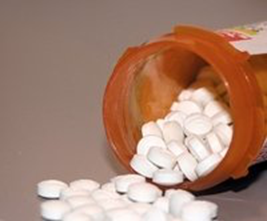
According to data provided by the Centers for Disease Control and Prevention (CDC), about 20% of children take prescription medication regularly. There has been a steady, noticeable increase in the number of children using medication prescribed by their doctor. Several types of medication can impact your child’s oral health. When you visit our office for your child’s regular examination, please tell our team about any medications your child uses so we can better adapt our treatment approach. 

We’ve compiled a list of 5 common ways medication can affect your child’s oral health. 

1. Dry Mouth 

Dry mouth is a condition where the mouth produces a reduced level of saliva. Several medications can inhibit the mouth’s saliva production. Saliva is important, especially to children’s young teeth, as it helps to neutralize damaging acids. When left untreated, dry mouth can lead to higher rates of tooth decay. 

2.  Gum Tissue Enlargement 

Certain medications can lead to your child’s gum tissue becoming enlarged or overgrown. Extra attention is needed to avoid gum inflammation. In these instances, our team will recommend special care instructions to help your child maintain healthy gums.  

3. Tooth Decay 

Most medications will not directly cause tooth decay. However, there are medications that use sugar, particularly for flavor. Think of the great-tasting liquid medicines available for kids, or candy-like throat lozenges. Over time, sugar can contribute to tooth decay as it feeds decay-causing bacteria. Our team recommends opting for sugar-free versions of medications when available. It is also advisable to have your child take their medication with a meal and a drink, to wash away sugary compounds. 

4. Bleeding 

Medications can reduce the ability for blood to clot. If your child is going to undergo oral surgery, or even may be ready to lose a tooth, an increase in bleeding may occur. We ask that you notify our team of any medications your child is taking prior to scheduling treatment. This will allow our team to provide a high level of care for your child. 

5. Soft Tissue Reactions 

Certain medications can lead to oral inflammations, discoloration, or even the appearance of oral sores. Contact us if your child is experiencing any of these symptoms. We can work with you and your child to create an oral hygiene plan to alleviate these side-effects. 

It is essential that our team is aware of any medications your child is taking. This allows us to plan our treatments and recommendations accordingly. If you notice any changes in your child’s oral health, contact our team. Our goal is to work with you and your child to establish a lifetime of healthy habits and optimal oral health. 

For questions regarding medication and your child’s oral health, contact our office.  

Indian Springs Pediatric Dentistry
Phone: (205) 739-7773
6496 Quail Run Drive
Hoover, AL 35124