
 Pediatric Dentist Near Me
Most serious oral health issues can be prevented by maintaining an effective routine of dental hygiene and in-office care. However, you could be at higher risk for some oral illnesses due to hereditary factors. Awareness and proper treatment can help minimize these risks. Here are a few of the most common oral health concerns that are affected by genetics.
Tooth decay – One of the most common oral issues, some tooth decay has been linked to a genetic deficiency of a protein called DEFB1. If your parents experienced an unusually high rate of tooth decay, then you may want to be more vigilant regarding your own dental care.
Oral cancer – Certain genetic factors can increase your risk of developing oral cancer. Our doctor recommends annual oral cancer screening for early identification and treatment. In addition, certain lifestyle choices, such as quitting smoking and limiting alcohol consumption, can help reduce your risk of oral cancer.
Periodontal disease – Recent research has found that some forms of gum disease may be linked to mutations in genes that affect immunity and inflammatory response.
Misaligned or supernumerary (extra) teeth – Genetics can play a role in having misaligned or even extra teeth. The size of your jaw is determined mostly through heredity, and is the most common reason for an overbite, underbite, or dental crowding.
Canker sores – In most cases, canker sores are an isolated reaction to fatigue, stress, or menstrual cycles. However, there are certain inherited diseases that count canker sores among their symptoms. Crohn’s disease and Celiac sprue are two such conditions.
Indian Springs Pediatric Dentistry
6496 Quail Run Drive, Pelham, AL 35124
(205) 739-7773
 We’ve all been told at least once in our life that flossing daily is crucial. Here are four reasons why flossing may be beneficial for your oral health routine:
 It can be difficult to get your child to practice proper oral care unsupervised. However, the long-term benefits of an early start to optimal oral hygiene are worth the effort. Below are some tips to help you make oral health a fun part of your child’s daily routine.
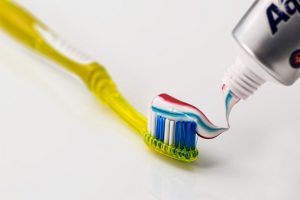 When buying a toothbrush, toothpaste, or coming in to our office, you often hear the word “plaque” associated with the health of your teeth. Plaque is one of the main reasons why it is so important to keep up with a daily oral hygiene routine that includes brushing two times each day for at least two minutes, and flossing regularly as well. Here’s what you need to know about plaque and what it can do to your smile.
 Calcium is an important mineral for building strong, healthy teeth, but not everyone can tolerate the lactose found in dairy. Lactose is a sugar found in milk and other dairy products. About 65% of people have reduced ability to process lactose past infancy.
 Oral health is important at every stage in life. Just because your children are going to lose their primary (baby) teeth eventually doesn’t mean that we can ignore the importance of dental care. Tooth decay can be painful and uncomfortable to treat. To protect your child’s smile, it is vital to understand optimal preventive care.
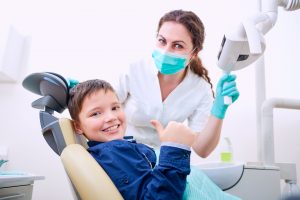 You never want to hear that your child has decay in one of their permanent teeth. If our team advises you that your child needs a dental filling, please remember that you and your child are in good hands. Here are a few tips to help guide you through this process:
 These are some of the most common questions we hear from parents, and the answers we provide:
 It can be difficult to get your child to practice proper oral care unsupervised. However, the long-term benefits of an early start to optimal oral hygiene are worth the effort. Below are some tips to help you make oral health a fun part of your child’s daily routine.
 It’s always important to have fun with our children. New experiences, new people and new surroundings can seem overwhelming to little ones. Read on for ways to make a trip to the dentist fun for your child and for you!