
Pelham Pediatric Dentist
 It can be difficult to get your child to practice proper oral care unsupervised. However, the long-term benefits of an early start to optimal oral hygiene are worth the effort. Below are some tips to help you make oral health a fun part of your child’s daily routine.
- Brush with a Buddy.
Your child will be much more excited to floss and brush their teeth if it’s a family activity. Brush your teeth with your child, or if they have siblings, have the kids brush together. This will help make the time more fun and help your child to subconsciously accept oral hygiene as a normal part of a daily routine.
- Choose the Right Supplies.
Let you child pick out their own toothbrush. This will help them feel like they have a say in their oral care routine.
- Reward Good Behavior.
A little incentive can go a long way. When trying to get your child to floss and brush on their own, it might be helpful to implement a simple reward system. For example, your child could track their own brushing on a calendar and trade it in for a small gift or prize after a month of twice daily brushing.
- Educate to Empower.
It’s important that your child understands why practicing good oral hygiene is so important. Use this as an opportunity to teach them about the dangers associated with poor oral health.
There are a lot of strategies you can use to make brushing a fun part of your child’s day, rather than a chore. You know your child better than anyone, so don’t be afraid to come up with some additional techniques that will work better for them!
Regular professional dental cleanings are an essential part of any good oral hygiene routine, so contact our dental team to schedule your child’s next appointment today.
6496 Quail Run Drive
Pelham, AL 35124
Phone: (205) 739-7773
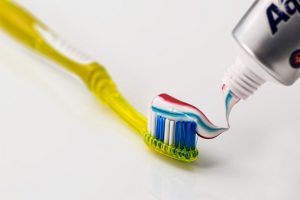 When buying a toothbrush, toothpaste, or coming in to our office, you often hear the word “plaque” associated with the health of your teeth. Plaque is one of the main reasons why it is so important to keep up with a daily oral hygiene routine that includes brushing two times each day for at least two minutes, and flossing regularly as well. Here’s what you need to know about plaque and what it can do to your smile.
 The negative effects of poor oral hygiene are well documented, and can impact much more than your mouth. A lot of serious medical conditions can be caused or worsened by complications arising for poor oral health. Starting your child’s oral care off right serves the twofold benefit of modeling the importance of good oral hygiene to them and giving their mouth a solid foundation of oral health. If you want to ensure your child’s oral health is taken care of,
  Calcium is an important mineral for building strong, healthy teeth, but not everyone can tolerate the lactose found in dairy. Lactose is a sugar found in milk and other dairy products. About 65% of people have reduced ability to process lactose past infancy.
 Oral health is important at every stage in life. Just because your children are going to lose their primary (baby) teeth eventually doesn’t mean that we can ignore the importance of dental care. Tooth decay can be painful and uncomfortable to treat. To protect your child’s smile, it is vital to understand optimal preventive care.
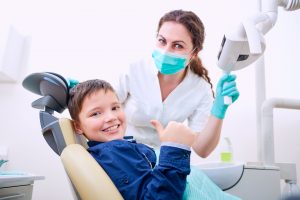 You never want to hear that your child has decay in one of their permanent teeth. If our team advises you that your child needs a dental filling, please remember that you and your child are in good hands. Here are a few tips to help guide you through this process:
 These are some of the most common questions we hear from parents, and the answers we provide:
 It can be difficult to get your child to practice proper oral care unsupervised. However, the long-term benefits of an early start to optimal oral hygiene are worth the effort. Below are some tips to help you make oral health a fun part of your child’s daily routine.
 It’s always important to have fun with our children. New experiences, new people and new surroundings can seem overwhelming to little ones. Read on for ways to make a trip to the dentist fun for your child and for you!
 Children losing their first tooth is an exciting stage in life. They often run to you as soon as their tooth falls out asking if the Tooth Fairy will visit them at night. Most children know about the Tooth Fairy, but many people don’t know where or when this tradition started. The concept surrounding lost baby teeth has been around for centuries. Below we have shared common historical traditions that have helped evolve the Tooth Fairy into the tradition that it is today.