
Pediatric Dentist Pelham, AL
 Do you have white spots on your teeth? Are your teeth quite sensitive? Do your teeth have cracks, chips, or indentations? If yes, then you may be experiencing enamel erosion.
Tooth enamel is the hardest substance in the human body. It is the clear coating that protects your teeth. However, being the strongest substance in the body does not mean it should be neglected. Enamel can erode. Without the protection of enamel, you not only risk developing decay, but also abscesses, tooth pain, and even tooth loss.
What Causes Tooth Enamel Erosion?
There are several factors that cause tooth enamel to erode, some of which are the result of everyday actions. Sugars and acids can wear down enamel. If you regularly drink soft drinks or sugary fruit drinks, you may be damaging your teeth. To protect your teeth, limit your consumption of such drinks. Alcohol can also erode enamel, as well as a diet that is high in sugary or starchy foods. The bacteria in the mouth can transforms starches and sugars in foods such as bread into damaging acid.
Other factors include acid reflux, recurrent vomiting, gastrointestinal problems, genetically inherited conditions, grinding your teeth, even brushing too hard or not flossing properly. All of these impact the health of your enamel, and, ultimately, your teeth. Once the enamel is worn or chipped away, it cannot be replaced.
Keep the sweets from becoming everyday treats, replace white breads with whole grains, and try eating more cheese and yogurt to bolster the calcium in your saliva to keep the acids in check.
How Can Enamel Erosion Be Prevented?
In addition to exercising moderation with soft drinks, alcohol, sugars and starches, and, of course, taking extra care with regard to medical conditions and your tooth care regimen, there are a few extra things you can do to protect your smile. Saliva can neutralize harmful acids in your mouth. By drinking water and chewing sugar-free gum, you can boost saliva production.
Keep the sweets from becoming everyday treats and replace white breads with whole grains. Add more cheese and yogurt to your diet. Not only are both foods high in calcium, but they also help neutralize harmful acids in your mouth.
Tooth enamel is essential for maintaining a healthy smile. Be mindful of what you eat and drink. Enamel erosion may also be the consequence of other complications such as excessive teeth grinding or acid reflux. Regular visits to our office allow our team to provide a full examination. If we detect that your enamel is eroding, we will discuss potential causes and solutions.
To schedule your next visit to our office, please contact our team today.
6496 Quail Run Drive
Pelham, AL 35124
(205) 739-7773
 Probiotics are typically advertised as being helpful for digestion. However, studies have shown that they can also improve oral health. Probiotics are beneficial for fighting infections that lead to oral disease.
 During pregnancy, it is essential that you don’t neglect your oral health. A fluctuation in hormones can cause drastic changes in your mouth. Oral health complications have been linked to increased risk in other significant overall health issues. Here are the most common oral health problems, how they can affect your pregnancy, and how to prevent them.
 The U.S. Centers for Disease Control and Prevention have found that tooth decay is the single largest ailment impacting children. In fact, tooth decay is more widespread than illnesses such as asthma. As a parent, you can help establish habits that will lead to a lifetime of optimal oral health for your child. Essential oral health care practices start during infancy. Don’t wait for your child’s teeth to begin erupting before considering their oral health.
 Does your child play a musical instrument? While participating in the school band, or learning an instrument at home can be a rewarding and enriching hobby, there can be underlying health risks. This is particularly true if your child plays instruments such as the flute, saxophone, or clarinet. Instruments that require contact with the mouth can be a home for germs and bacteria. Here’s what you can do to keep your child healthy.
 When it comes to your child’s health and well-being, you want to be sure they are receiving the best possible care. Studies have shown that oral health is linked to overall health. It is important to have an experienced team that can work with your child to ensure a lifetime of optimal oral health. There are numerous advantages to choosing a pediatric dentist for your child including specialized training, a compassionate standard of care, and a welcoming environment.
 Proper dental hygiene is key to decreasing risk of periodontal (gum) disease in children. Hormonal changes in the body as your child grows increase blood circulation to the gums and may increase your child’s gum sensitivity. This can lead to a greater reaction to irritation, causing gums to become swollen and tender.
 Are you a diligent brusher who grabs the toothbrush as soon as you finish each snack or meal? While there are significant benefits to regular brushing, hurrying your hygiene might be doing more harm than good. The key lies in understanding the effects different types of food and drinks have on your teeth.
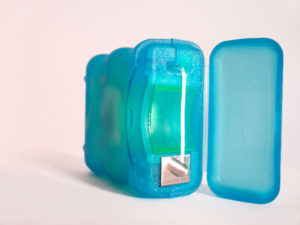 Loose teeth, bad breath, and painful, bloody gums – these are among the signs and symptoms of periodontal, or gum, disease. Unfortunately, periodontal disease can also begin without any obvious symptoms. If left undiagnosed or untreated, you could be at risk for irreparable damage to your teeth and gums. The good news is that periodontal disease is preventable. In fact, one of the most effective tools for preventing the disease only takes a minute of your time each day.
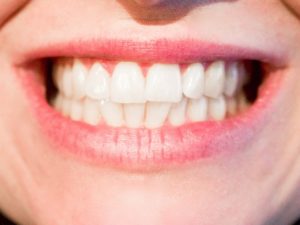 Your child’s mouth contains hundreds of bacteria. Before your child reaches for the toothbrush and mouthwash, understand that not all bacteria are bad. Here’s what you need to know about the bacteria that makes its home in your child’s mouth.