
Dentist 35124
 Do your children constantly ask for sugary snacks that you know are not good for their health? There are healthy alternatives to the junk food your child loves that taste just as great. Here are a few options to get you started.
Low-Fat Yogurt with Berries
Premade parfaits can be high in sugar with added fat and artificial flavors. Make your own parfaits at home with plain low-fat yogurt to cut down fat and calories. This combination of food gives you a balanced meal consisting of protein, calcium, and fiber. These are all important nutrients to keep bones and teeth growing strong. The berries also provide antioxidants which are very important for overall health.
Celery Sticks with Cream Cheese and Sunflower Seeds
Usually kids will do anything they can to get away with not eating vegetables. Have you ever thought of pairing vegetables with a snack they love? Cream cheese will make the celery more appealing to your children. The celery is fibrous and will gently scrub their teeth as they chew. The sunflower seeds are an added bonus containing magnesium and Vitamin B.
Hummus with Toasted Whole Grain Pita
This is a snack that has become popular over the years. It is delicious and also great for your child’s teeth. Hummus can prevent sugars from sticking to your teeth, decreasing the risk of cavities. Whole grains are nutritionally better than white bread, which has more sugar.
Cheddar Cheese and Apples
Placing cheddar cheese and apples on a whole grain cracker is a tasty treat for your child. The apples are high in fiber and water, which will help wash away bacteria and food particles. The cheddar cheese gives your child an extra dose of calcium to keep their teeth durable.
Tip: Do not forget to throw in a bottle of water with your kid’s snack. It will wash away any sugar, bacteria, and plaque left on their teeth from eating.
Remember to schedule regular dental appointments for your children’s constantly evolving teeth. For more healthy options, call and visit our office today.
6496 Quail Run Drive
Pelham, AL 35124
(205) 739-7773
 Do you have white spots on your teeth? Are your teeth quite sensitive? Do your teeth have cracks, chips, or indentations? If yes, then you may be experiencing enamel erosion.
 Probiotics are typically advertised as being helpful for digestion. However, studies have shown that they can also improve oral health. Probiotics are beneficial for fighting infections that lead to oral disease.
 During pregnancy, it is essential that you don’t neglect your oral health. A fluctuation in hormones can cause drastic changes in your mouth. Oral health complications have been linked to increased risk in other significant overall health issues. Here are the most common oral health problems, how they can affect your pregnancy, and how to prevent them.
 The U.S. Centers for Disease Control and Prevention have found that tooth decay is the single largest ailment impacting children. In fact, tooth decay is more widespread than illnesses such as asthma. As a parent, you can help establish habits that will lead to a lifetime of optimal oral health for your child. Essential oral health care practices start during infancy. Don’t wait for your child’s teeth to begin erupting before considering their oral health.
 Does your child play a musical instrument? While participating in the school band, or learning an instrument at home can be a rewarding and enriching hobby, there can be underlying health risks. This is particularly true if your child plays instruments such as the flute, saxophone, or clarinet. Instruments that require contact with the mouth can be a home for germs and bacteria. Here’s what you can do to keep your child healthy.
 According to data provided by the Centers for Disease Control and Prevention (CDC), about 20% of children take prescription medication regularly. There has been a steady, noticeable increase in the number of children using medication prescribed by their doctor. Several types of medication can impact your child’s oral health. When you visit our office for your child’s regular examination, please tell our team about any medications your child uses so we can better adapt our treatment approach.
 Multivitamins are an excellent way to help children and adults receive nutrients that their diet lacks. For parents of picky eaters, this can be especially helpful. However, not all vitamins are created equally. Chewable, gummy vitamins are often marketed to children but carry risks to your child’s oral health. Here are three ways gummy vitamins affect your child’s oral health.
 Little teeth will grow into a big smile. To ensure your child is on track for a lifetime of optimal oral health, it is important to instill good oral hygiene habits early in life. We understand that this can sometimes be a challenge. It’s hard to keep the interest of young children, which can make brushing twice a day for two minutes each time difficult to do. We’ve gathered a few pointers to help you and your child make brushing time a fun experience.
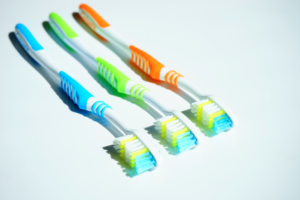 Do you ever think about your toothbrush? You use it twice a day, but how much do you know about it? We’ve compiled a list of interesting toothbrush facts. The next time you brush, consider these bits of trivia.