
Pediatric Dentist Near Me
 Keeping up optimal oral health takes more than brushing and flossing. Maintaining oral hygiene demands a bit of work, but it is worth it in the long run. Here are four ways you can improve your dental health right now.
- Replace your toothbrush more often. When was the last time you replaced your toothbrush? A month ago? Six months? Most people don’t swap out a new brush often enough, which can lead to reduced brush effectiveness. Change your brush at least every three months. Be sure to switch after having an infection like the cold or flu to prevent reinfection.
- Lay off the fizzy drinks. The acids present in soda wear away enamel, weakening your teeth and leaving them vulnerable to decay. In fact, people who drink three or more glasses of soda per day experience about 62% more tooth decay than those who choose another beverage like water.
- Opt for chocolate. Everyone loves a sweet treat now and then, but did you know that certain candies are better for your teeth than others? The American Dental Association reports dark chocolate is the healthiest option, as it is soft and washes off your teeth easier than other candies. Hard, sticky, and sour goodies should be avoided, because they can stick to your teeth and even cause chips or cracks if you bite down too hard.
- Visit your dentist. Trips to our office should occur at least twice a year—not just when you have a toothache. We offer preventative care, vital education, and important cleanings, which are all part of maintaining excellent oral health.
Indian Springs Pediatric Dentistry
6496 Quail Run Drive, Pelham, AL 35124
(205) 739-7773
 Calcium is an important mineral for building strong, healthy teeth, but not everyone can tolerate the lactose found in dairy. Lactose is a sugar found in milk and other dairy products. About 65% of people have reduced ability to process lactose past infancy.
 One of the best ways to calm fussy babies is by giving them a pacifier. However, as babies grow this can be a difficult habit to break. The use of pacifiers can cause improper mouth development which leads to abnormal tooth growth and additional complications later in life. Here’s what you need to know about the impact pacifiers have on your baby’s smile.
 Oral health is important at every stage in life. Just because your children are going to lose their primary (baby) teeth eventually doesn’t mean that we can ignore the importance of dental care. Tooth decay can be painful and uncomfortable to treat. To protect your child’s smile, it is vital to understand optimal preventive care.
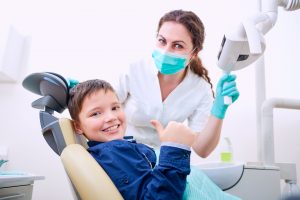 You never want to hear that your child has decay in one of their permanent teeth. If our team advises you that your child needs a dental filling, please remember that you and your child are in good hands. Here are a few tips to help guide you through this process:
 These are some of the most common questions we hear from parents, and the answers we provide:
 It can be difficult to get your child to practice proper oral care unsupervised. However, the long-term benefits of an early start to optimal oral hygiene are worth the effort. Below are some tips to help you make oral health a fun part of your child’s daily routine.
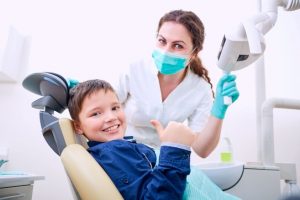 It’s always important to have fun with our children. New experiences, new people and new surroundings can seem overwhelming to little ones. Read on for ways to make a trip to the dentist fun for your child and for you!
 Children losing their first tooth is an exciting stage in life. They often run to you as soon as their tooth falls out asking if the Tooth Fairy will visit them at night. Most children know about the Tooth Fairy, but many people don’t know where or when this tradition started. The concept surrounding lost baby teeth has been around for centuries. Below we have shared common historical traditions that have helped evolve the Tooth Fairy into the tradition that it is today.
 Braces create a beautiful, straight smile, but how do you maintain these results after treatment? Your final orthodontic results depend on your retainer. Retainers help maintain the position of straighten teeth, so be sure to follow up with us for additional treatment after your braces have been removed. Read the information below to learn more about retainers and how to care for them at home.