
Pediatric Dentist Near Me
 Our convenient local dental office is featuring children’s dentistry services for families in our community. The American Dental Association recommends that all patients follow a routine of dental examinations at least every six months, or as directed by their dentist. This is particularly important for growing children.
Regular professional dental cleanings are essential for a healthy mouth. During your child’s appointment, we will screen your child’s mouth for tooth decay and gum disease. During your child’s dental cleaning, any buildup of plaque or tartar will be gently removed.
We may recommend a topical fluoride application for your child’s teeth as part of their preventive treatment. Topical fluoride is used to strengthen enamel and make teeth more resistant to tooth decay.
Sealants are also highly effective in preventing tooth decay and cavities on your child’s molars and premolars. These areas are the most susceptible to cavities due to the anatomized grooves. Typically, children should get sealants on their permanent molars and premolars as soon as these teeth come in. These sealants can protect the teeth through the cavity-prone years of ages 6 to 14.
The process of applying sealants is quick and easy. The application steps include:
- Your child’s teeth are thoroughly cleaned
- The teeth are dried
- A liquid solution is put on the chewing surfaces of the teeth
- The solution is cured using a special curing light
Sealants act as a barrier to protect the enamel from plaque and acids. They may last for several years before reapplication is needed. So long as the sealant remains intact, the tooth surface will be protected from decay.
However, sealants are not a substitute for brushing your teeth. It is important to have your child maintain proper oral hygiene and continue to follow up with professional dental cleanings as recommended by our dental team. In addition, sealants do not protect between the teeth, so it is essential that your child continues to floss daily.
Without proper dental care, children are susceptible to oral decay. Healthy smiles should not stop at our dental office. Our caring team will educate both you and your child on how to make healthy food choices and how to properly brush and floss at home.
Our doctor and team have the experience and qualifications to care for your child’s teeth, gums and mouth throughout various stages of childhood. For more information or to request an appointment, contact our office.
6496 Quail Run Drive
Pelham, AL 35124
Phone: (205) 739-7773
 The American Dental Association recommends all patients to schedule routine six-month check-up exams. This is particularly important for growing children.
 Pediatric Dentist Near Me
 It is a common belief that teething causes secondary symptoms such as a runny nose, irritability, high fever, or problems with sleeping. However, studies have shown that these types of concerns are caused by health issues unrelated to teething. Here are some of the things to expect during teething, and some that are often attributed to teething, but are better discussed with your child’s doctor.
 Periodontal disease is a bacterial infection in the gums that can impact the teeth and jawbone if left unchecked. About half of all children suffer from periodontal disease. Fortunately, if identified and treated early, its effects can be managed and even reversed to allow your child to return to optimal oral health through adolescence and beyond.
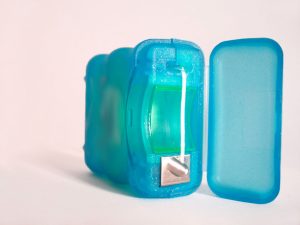 We’ve all been told at least once in our life that flossing daily is crucial. Here are four reasons why flossing may be beneficial for your oral health routine:
 It can be difficult to get your child to practice proper oral care unsupervised. However, the long-term benefits of an early start to optimal oral hygiene are worth the effort. Below are some tips to help you make oral health a fun part of your child’s daily routine.
 Our patients love visiting our office. We make it a priority to make sure every child feels safe and comfortable when visiting us. We focus on keeping your children educated and happy with their oral health. Below are a few tips on how to make your child comfortable while visiting the dentist.
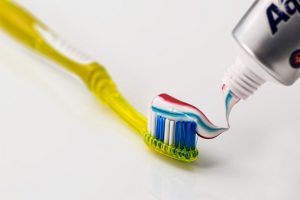 When buying a toothbrush, toothpaste, or coming in to our office, you often hear the word “plaque” associated with the health of your teeth. Plaque is one of the main reasons why it is so important to keep up with a daily oral hygiene routine that includes brushing two times each day for at least two minutes, and flossing regularly as well. Here’s what you need to know about plaque and what it can do to your smile.
 The negative effects of poor oral hygiene are well documented, and can impact much more than your mouth. A lot of serious medical conditions can be caused or worsened by complications arising for poor oral health. Starting your child’s oral care off right serves the twofold benefit of modeling the importance of good oral hygiene to them and giving their mouth a solid foundation of oral health. If you want to ensure your child’s oral health is taken care of,